Address
Work Hours
Monday to Friday: 7AM - 7PM
Weekend: 10AM - 5PM

Address
Work Hours
Monday to Friday: 7AM - 7PM
Weekend: 10AM - 5PM


How a traceability system is built on an Egyptian produce export shipment, what a carton lot code should contain, and what an importer should ask to see before the first container.
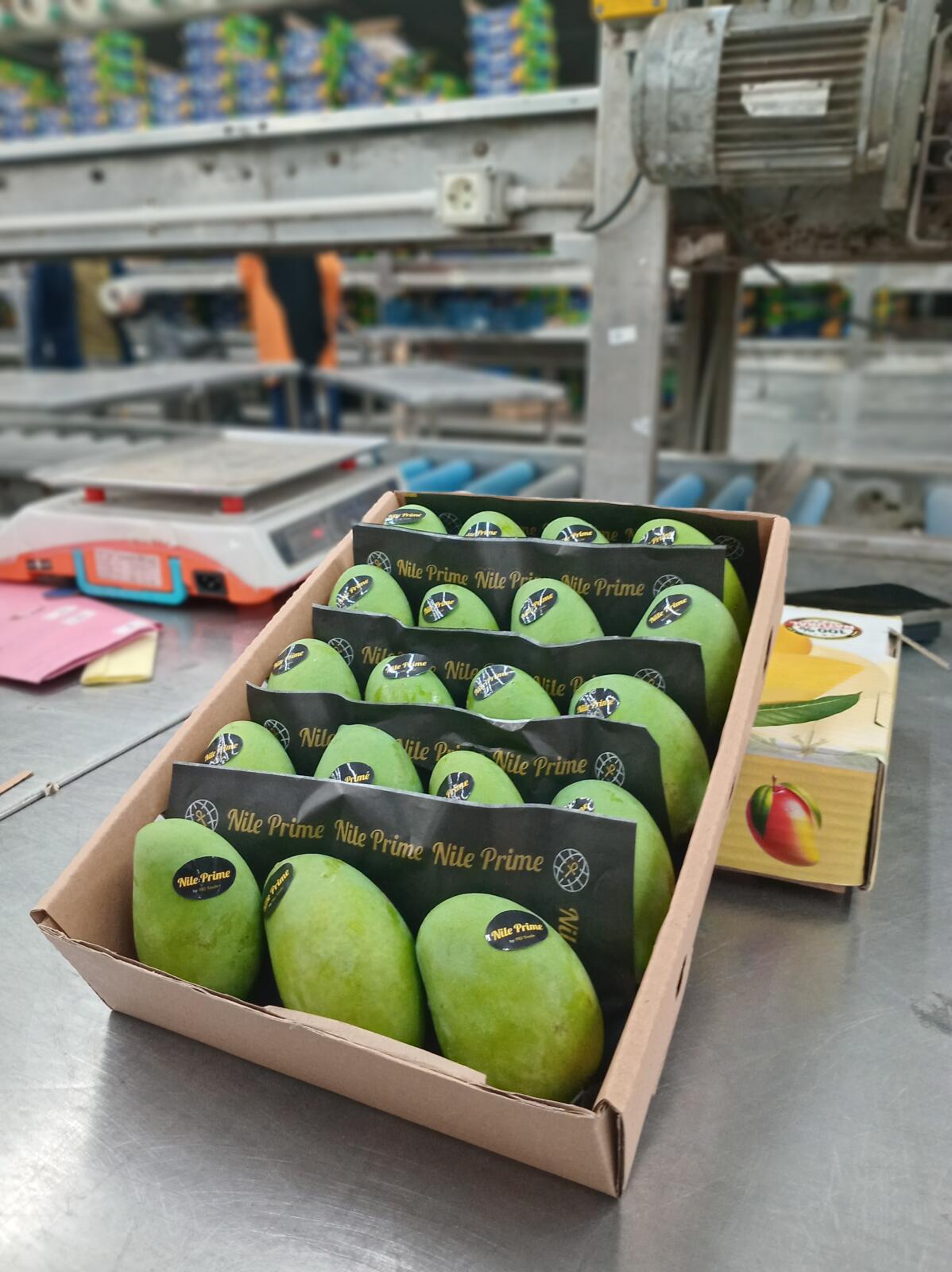
Most importers ask about grade, count and price before they ask about traceability. That order gets reversed the first time a consignment has to be held. When a buyer’s own customer raises a residue query, a foreign body report or a quality complaint against a specific delivery, the question that follows is always the same: which fruit is affected, and what else came from the same source. If the answer takes three days and a phone call to Egypt, the whole delivery gets withdrawn instead of one pallet.
Traceability on fresh produce is the ability to move in two directions from any single carton. Backwards, to the field block, the grower, the harvest date and the applications made to that crop. Forwards, to every customer who received fruit from the same lot. Both directions have to work from information physically printed on the carton, because by the time a query arrives the pallet has been broken down and the paperwork is in a different building.
A lot is the unit that links the two. On an Egyptian packhouse a lot is normally one grower, one variety, one harvest day and one packing day. Splitting it finer costs packing speed. Making it coarser means a query pulls in fruit that was never involved.
A workable export lot code carries four elements, printed or thermal-labelled on the carton end panel where it stays readable after stacking:
Packhouse or establishment identifier, which ties back to the registration under which the consignment was inspected. Packing date, usually as a Julian day or a plain DDMMYY. Grower or field block reference, which is the element most often dropped and the one that matters most in a residue query. Variety and grade, so that a query on one size band does not automatically implicate the whole day’s production.
Where the buyer holds GLOBALG.A.P. requirements, the GGN of the certified producer belongs on the carton or the pallet label as well. Retail customers in the EU and UK increasingly verify that number against the certificate database rather than accepting a scanned certificate by email.
Cartons carry the lot. Pallets carry an SSCC or an equivalent unique pallet number, and the packing list ties each pallet number to the lot codes stacked on it. That link is what makes a partial withdrawal possible. Without it, the only unit an importer can act on is the container.
The consignment level is the phytosanitary certificate and the commercial documents. These identify the shipment, not the fruit inside it, which is why they are no substitute for carton coding. See our reference on export documents on Egyptian produce for how the document set fits together.
The check an experienced buyer runs during a packhouse audit is a mass balance. Take one lot code from a finished pallet, ask for the field intake record behind it, and compare the kilos received against the kilos packed into that lot plus the recorded rejects. If the packed quantity exceeds what came in, the coding is nominal rather than real. This test takes twenty minutes and tells you more than any certificate.
The second test is a mock withdrawal. Nominate a carton, and ask the exporter to identify within four hours every other carton from the same lot and every buyer who received one. Certification schemes require this exercise annually. Running it yourself during a visit is reasonable, and a supplier who cannot complete it should not be shipping programme volume. Our guide to auditing an Egyptian packhouse before the first container sets out the wider checklist.
Three failures recur. Field block references are recorded on the intake sheet but never carried onto the carton, so the trace stops at the packhouse door. Repacking at destination strips the original lot code and replaces it with the importer’s own, breaking the chain unless the repacking record is kept. And mixed lots are built when a short order is topped up from a second grower without re-coding, which makes every subsequent trace ambiguous.
All three are fixable, but only before the season starts. Specify the code content in the purchase specification, not in an email after the first arrival.
State in writing which elements the carton code must contain, where on the carton it must appear, that pallet numbers must be unique and listed against lot codes on the packing list, and that one lot may not contain fruit from more than one grower. Add a clause requiring the exporter to respond to a trace request within a fixed number of working hours. PEI Trade codes at grower and harvest-day level across all export crops, and can supply SGS or Intertek verification on request.
To discuss traceability requirements for a specific crop and market, or to request a mock withdrawal against a recent shipment, message our export desk on WhatsApp at +20 10 9911 1918.
