Address
Work Hours
Monday to Friday: 7AM - 7PM
Weekend: 10AM - 5PM

Address
Work Hours
Monday to Friday: 7AM - 7PM
Weekend: 10AM - 5PM


A crop-by-crop reference of the six-digit HS codes used on Egyptian fresh and frozen produce shipments, and how classification drives duty, permits and border checks.
HS codes for fresh produce decide three things on every Egyptian shipment: the duty rate the importer pays, the phytosanitary and import-permit rules that apply, and the customs channel the container is routed to on arrival. The six-digit heading is identical worldwide. Everything beyond six digits is national, which is where most classification disputes start.
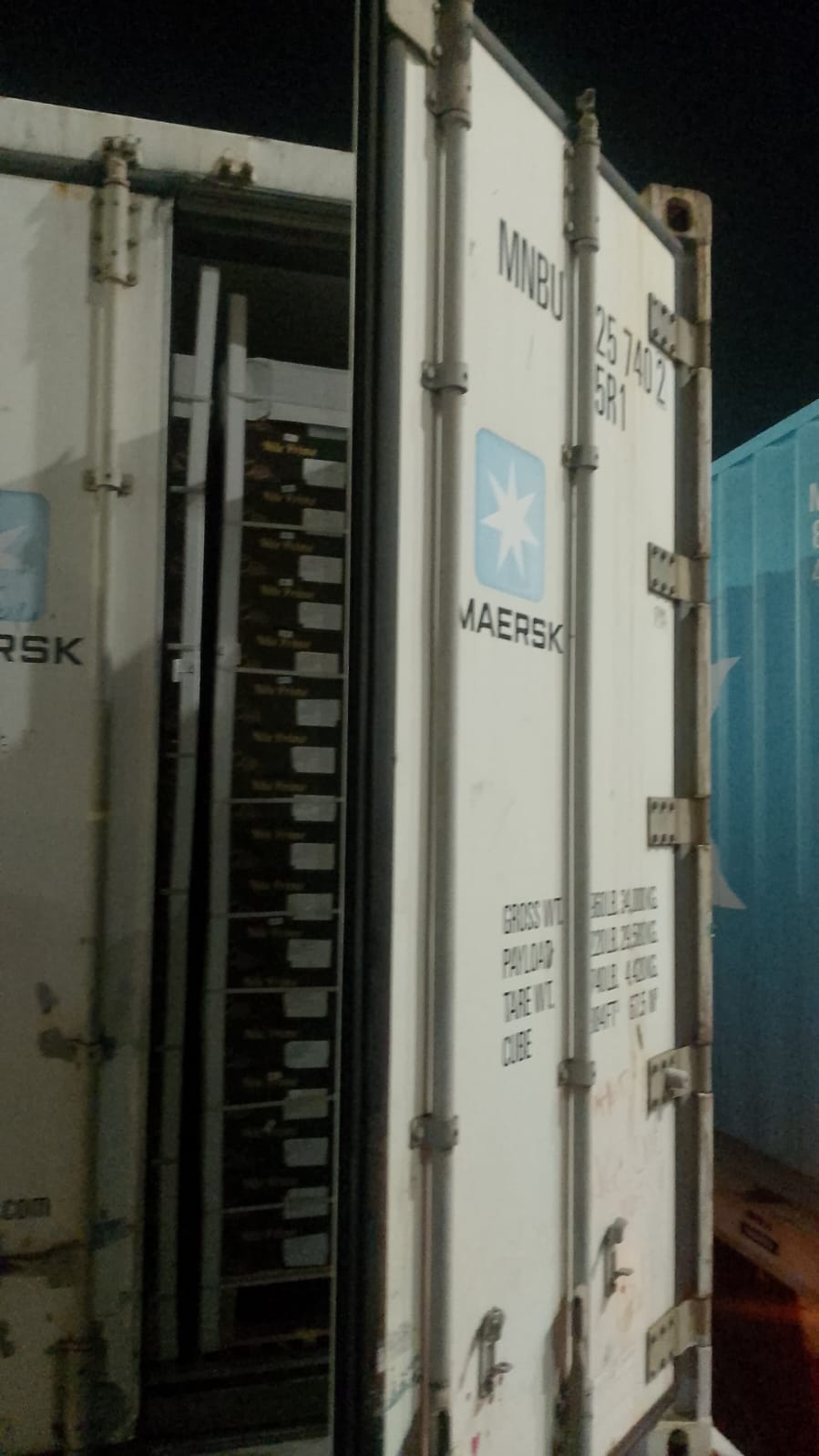
The table below lists the six-digit headings that cover the crops shipped from Egypt in the 2026/2027 season. Confirm the national extension with your own broker before the booking is placed, because the last two to four digits vary by destination.
| Product | HS heading | Notes |
|---|---|---|
| Oranges, fresh | 0805.10 | Navel and Valencia both sit here |
| Mandarins, incl. Murcott | 0805.21 | Tangerines and satsumas included |
| Grapefruit and pomelo | 0805.40 | Star Ruby declared here |
| Lemons and limes | 0805.50 | Adalia lemon, Baladi lime |
| Mangoes and guavas | 0804.50 | Shares a heading with mangosteens |
| Dates, fresh or dried | 0804.10 | Medjool and Siwi |
| Table grapes, fresh | 0806.10 | Dried grapes fall under 0806.20 |
| Strawberries, fresh | 0810.10 | November to March window |
| Pomegranates, fresh | 0810.90 | Residual heading, national splits common |
| Watermelons | 0807.11 | Other melons under 0807.19 |
| Onions and shallots | 0703.10 | Golden, red and white all here |
| Garlic | 0703.20 | Several markets apply quotas here |
| Potatoes, fresh | 0701.90 | Seed potatoes under 0701.10 |
| Sweet potatoes | 0714.20 | Beauregard, October onward |
| Taro (Colocasia) | 0714.40 | Own heading since HS 2022 |
| Green beans, fresh | 0708.20 | Shelled or unshelled |
| Okra, fresh | 0709.99 | Residual vegetable heading |
| IQF okra and molokhia | 0710.80 | Frozen vegetables, other |
| IQF strawberries | 0811.10 | Sweetened and unsweetened split nationally |
Duty is the visible consequence. Under the EU and UK association agreements much Egyptian produce enters at zero or reduced duty, but the concession is granted against a specific heading and often only inside a defined window, so a misdeclared code can lose the preference entirely. We set this out in detail in our note on tariffs and preferential duty on Egyptian produce.
The less visible consequence is control. Import permits, pre-notification requirements and inspection frequencies are all keyed to the heading. A pomegranate consignment declared under a residual heading such as 0810.90 will sometimes attract a different checking regime from a consignment declared under a national pomegranate split, even though the fruit is the same. Getting the code right on the proforma, before the booking, is far cheaper than correcting it at the border.
First, the code must match the goods, not the invoice description. Second, frozen and fresh forms of the same crop never share a heading, so an IQF line and a fresh line in one container carry two codes and often two duty rates. Third, the code on the phytosanitary certificate, the invoice, the packing list and the bill of lading must agree. Our overview of the full export document set on Egyptian produce shows where each code appears.
PEI Trade is the exporter, not a neutral customs adviser. Codes above are given at six digits for orientation. Verify the national extension and the applicable duty with your customs broker in the destination market before contracting.
Send us the crop, grade, pack format and destination port and we will quote with the HS heading stated on the offer, so your broker can price the duty before you commit. WhatsApp +20 10 9911 1918, or write to the export desk with your target arrival window.
