Address
Work Hours
Monday to Friday: 7AM - 7PM
Weekend: 10AM - 5PM

Address
Work Hours
Monday to Friday: 7AM - 7PM
Weekend: 10AM - 5PM


 ByMaha
Egypt stands as one of the world’s leading date producers, supplying premium varieties to over 50 countries annually. As global demand for natural sweeteners and healthy snacks continues rising, importing Egyptian dates presents a lucrative opportunity for international buyers in 2026.
This comprehensive guide walks you through the essential steps for importing Egyptian dates, from supplier selection to final delivery. Whether you’re a first-time importer or looking to streamline your existing supply chain, understanding the process can save you time and money.
Egypt ranks as one of the world’s top five date producers, cultivating over 15 million date palms across the Nile Valley. The country’s unique climate creates ideal growing conditions for premium varieties.
Egyptian dates offer exceptional value for importers. The fruit arrives with consistent moisture content between 18-22%, making it perfect for both fresh consumption and processing. Growers harvest from September through December, giving buyers a reliable supply window when other origins face shortages.
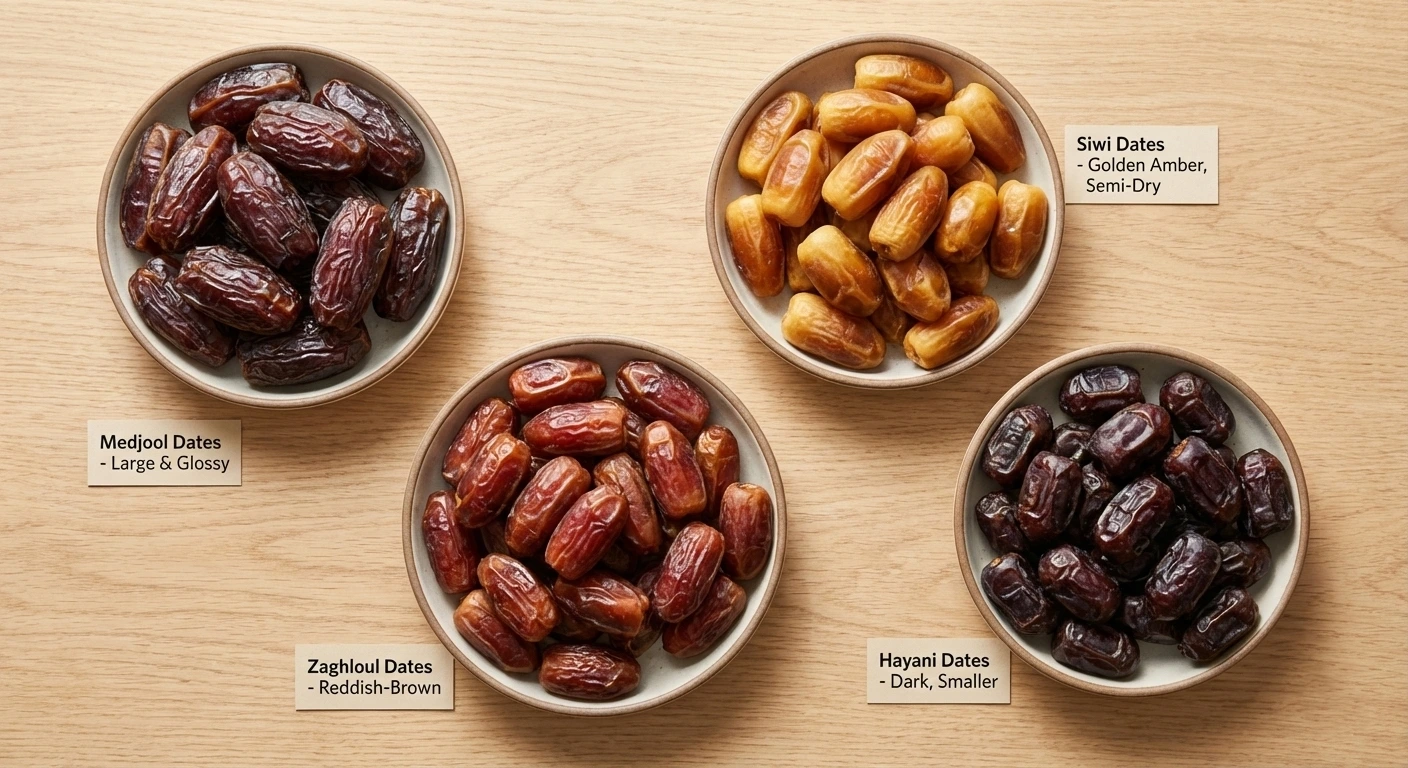
Key varieties to consider:
Each variety serves different market segments. Medjool dates appeal to premium retail markets, while Siwi works well for food manufacturers and processors.
Before dealing with any supplier, importers should clearly define their business objectives. This planning phase determines whether your import venture succeeds or struggles from the start.
Clarify which market segment you’re serving and specify your needs:
Your target market shapes every decision afterward, from variety selection to packaging choices. Premium grades feature uniform size and minimal blemishes, while commercial grades offer good value for processing applications.
These clear specifications help avoid misunderstandings and ensure more efficient negotiations with Egyptian exporters.
Not all exporters operate at the same level. This selection process determines whether importing Egyptian dates runs smoothly or encounters constant problems.
A serious Egyptian date exporter must provide:
Request references from current international clients and contact them directly. Check for relevant certifications like HACCP, ISO 22000, or GLOBALG.A.P. These credentials indicate commitment to food safety standards.
Many import failures occur when suppliers are chosen based solely on price without considering operational efficiency. The cheapest quote often comes from exporters cutting corners on quality control.
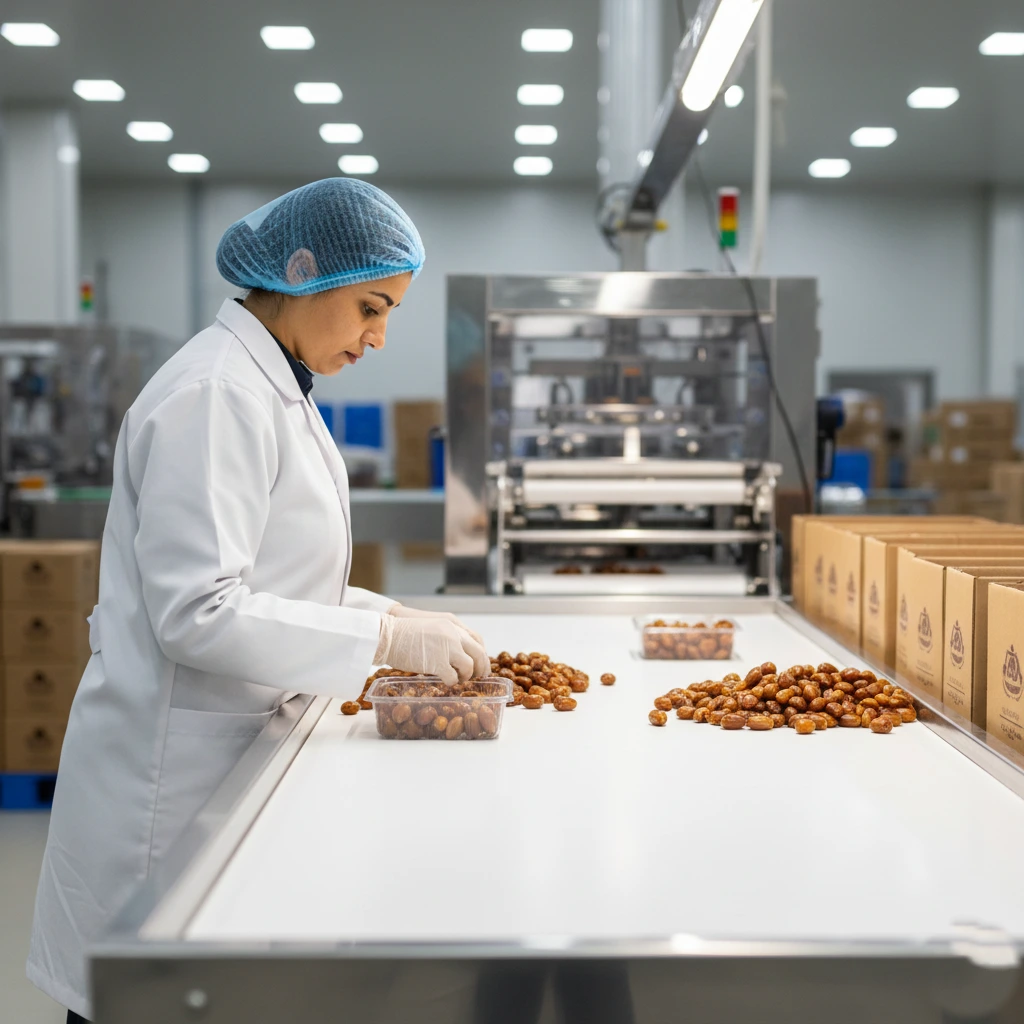
Dates are sensitive agricultural products, and effective quality control ensures consistent results. Quality verification must happen before containers leave Egyptian ports, not after arrival.
Essential quality checks include:
Professional exporters provide lab reports confirming sugar content, moisture levels, and microbial safety. Third-party inspection services like SGS or Bureau Veritas operate in Egypt. Investing $300-500 in pre-shipment inspection prevents costly rejections at destination ports.
At PEI Trade, inspection and grading processes take place before packing and shipping, not after the shipment arrives. This proactive approach ensures importers receive exactly what they ordered.
Successful market entry often depends on packaging strategy. The right packaging protects product quality while meeting your target market requirements.
PEI Trade offers comprehensive packaging solutions:
Private label programs include custom packaging design, nutritional panel compliance, barcode integration, and multilingual labeling adapted to different market regulations.
All packaging solutions comply with international export regulations and target market requirements. EU markets enforce strict labeling rules about origin and nutritional content. US regulations require FDA-compliant labels with specific formatting.
Modified atmosphere packaging extends shelf life by replacing oxygen with nitrogen, maintaining freshness for 12-18 months. This technology suits premium retail markets seeking longer shelf stability.
Exporting Egyptian dates requires detailed documentation. Missing or incorrect paperwork causes costly delays and potential shipment rejections.
Required documentation includes:
Many destinations require additional health certificates confirming food safety compliance. Laboratory certificates showing pesticide residue testing and microbiological analysis strengthen your documentation package.
PEI Trade takes over the entire document process, reducing delays and the risk of non-compliance. This service proves particularly valuable for first-time importers unfamiliar with international trade procedures.
Import costs extend beyond purchase price. FOB prices from Egyptian suppliers typically range from $2,500-$6,000 per ton depending on variety and grade. Ocean freight to Europe costs $2,000-3,500 per container, while North American routes run $3,500-5,000.
Customs duties vary by destination. US rates range from 2.8-14% depending on variety. EU countries generally charge 6-12%. Factor in inspection fees, customs clearance charges, and storage costs for complete landed cost calculations.
Destination countries enforce strict food safety standards when importing Egyptian dates. FDA regulations govern US imports, requiring prior notice and supplier HACCP plans. EU regulations emphasize traceability and require health certificates from Egyptian authorities.
Request copies of relevant certifications like ISO 22000, BRC, or IFS. These credentials reduce inspection frequency at ports and demonstrate systematic food safety management. GLOBALG.A.P. certification helps smooth EU market entry.
Allergen labeling must identify if dates are processed in facilities handling tree nuts or other allergens. This transparency protects consumers and prevents legal issues.
Importing Egyptian dates combines agricultural timing, logistical coordination, and relationship management. Success requires understanding harvest cycles, managing quality expectations, and navigating international trade procedures.
Following the five-step process outlined above reduces risk while increasing success probability. From identifying market requirements through managing documentation and quality control, each step builds toward sustainable import operations. Start with trial orders to test supplier performance before committing to larger volumes.
PEI Trade provides the expertise and supplier connections needed to navigate importing Egyptian dates successfully. The market rewards importers who invest time in supplier relationships and maintain realistic quality standards.
Most Egyptian suppliers require minimum orders of 1-2 metric tons, roughly equivalent to one pallet. Container-load quantities of 20 tons offer better pricing, but consolidation services allow smaller importers to share container space. First-time importers often start with 1-3 ton trial orders to test market response and supplier reliability.
Properly stored Egyptian dates maintain quality for 6-12 months depending on variety and moisture content. Medjool dates with higher moisture need refrigeration and consume faster than drier Siwi varieties. Store dates in cool conditions at 35-45°F with low humidity. Vacuum-sealed packaging extends shelf life to 12-18 months.
Most countries don’t require specific import licenses for dates, but you must register with relevant food safety authorities. US importers need FDA registration and submit prior notice for food shipments. EU countries require EORI numbers for customs clearance. Check with your country’s agricultural department and hire an experienced customs broker to navigate specific requirements.