Address
Work Hours
Monday to Friday: 7AM - 7PM
Weekend: 10AM - 5PM

Address
Work Hours
Monday to Friday: 7AM - 7PM
Weekend: 10AM - 5PM


 ByMaha
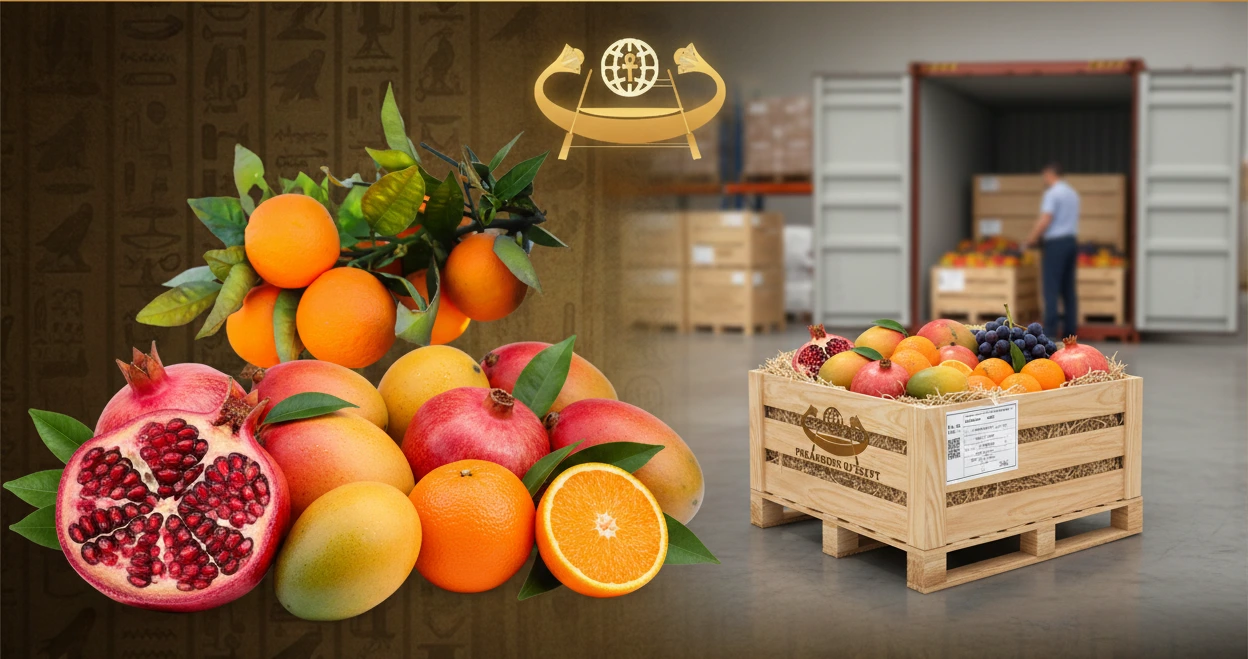
Egypt is known for oranges, and the volume justifies it: industry reporting put orange exports at 1.66 million tonnes in 2024/25, with Russia, Saudi Arabia and the Netherlands among the leading destinations, on FreshPlaza reporting.
For an importer already running an Egyptian citrus programme, though, the more useful question is what else the same origin, the same paperwork and the same shipping lanes can carry. Grapes, mangoes and pomegranates each occupy a different part of the year, and each asks a different question at the specification stage. This guide sets out all three.
| Crop | Export window | Main varieties | What decides acceptance | The main risk |
|---|---|---|---|---|
| Oranges | Winter into summer across two varieties | Navel, Valencia | Count and rind condition | Cold chain on long lanes |
| Table grapes | Late May into August | Early Sweet, Flame, Superior, Crimson, Autumn Royal | Berry firmness and bunch presentation | Cold chain breaks during loading and inland transport |
| Mango | June to September, late Keitt into early October | Kent, Naomi, Keitt, Zebda | Ripeness stage at loading | Ripeness control; air versus sea decision |
| Pomegranate | Second half of September into early December | Wonderful, 116 | Colour and internal condition | Handling damage; arils show it late |
Read down the window column and the commercial logic appears on its own: grapes and mango fill the months when citrus has finished, and pomegranate covers the gap before citrus starts again. A buyer running all four has an Egyptian container most weeks of the year from one supplier.
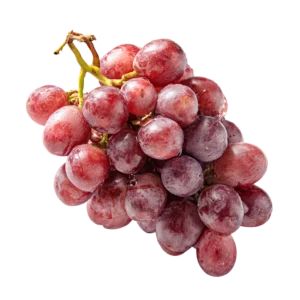
Table grapes have become the second headline next to oranges in Egyptian export planning, for a structural reason: the Egyptian window opens before several competing origins reach full volume, particularly for parts of Europe.
Russia, the Netherlands, the United Kingdom, Germany and Malaysia are established destinations, and Italy has drawn increasing volume: reporting recorded over 7,000 tonnes shipped to Italy between January and July 2025, a record on that route. Production has also been forecast to rise.
What buyers should watch on grapes, in order of how often it causes a claim: a cold chain break during loading or inland transport; bag and punnet quality differing between packers, which is a packhouse question rather than a fruit one; and price pressure in weeks when several origins land together.
For an importer who already trusts an Egyptian orange programme, grapes are usually the easiest second line to add, because the documentation and the lane are already proven.
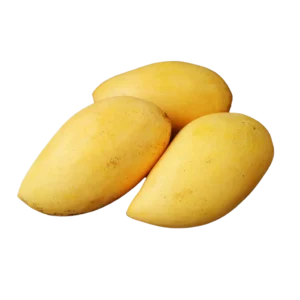
Egyptian mango runs June to September, moving through early varieties into Kent, then Naomi, then Keitt, with late Keitt closing in early October. Zebda is the variety regional buyers ask for by name.
Mango is the least forgiving of the four, and for one reason: ripeness control. Everything else follows from it.
Mango deals succeed when they are treated as a managed programme across the season rather than a series of spot shipments. Counts, weights and carton formats are in the mango size chart.
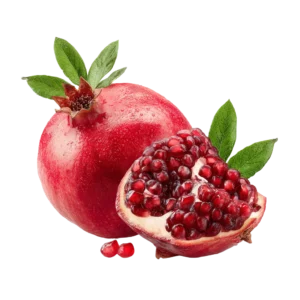
Wonderful and 116 start in the second half of September and run into early December, with the cleanest colour and the best storage potential coming out of the October picks. Reporting recorded Egyptian fresh pomegranate reaching 52 markets in the first nine months of 2025, with the UAE the leading buyer by value, and access to further markets has continued to open.
Pomegranate travels well when it is packed and cooled correctly, and badly when it is not, with a particular trap: handling damage often does not show on the outside. A consignment that looks sound can open to bruised arils. That makes pre-cooling and stow discipline more important on this crop than its tough skin suggests.
It is also the crop with the most formats beyond whole fruit. Fresh arils serve food service and retail, and juice and concentrate programmes serve processors, each with its own specification conversation.
Across all four crops the sequence is the same, and a supplier who cannot describe it in this order is not running a programme:
The documents a buyer normally asks for: commercial invoice and packing list, certificate of origin, phytosanitary certificate where the destination requires one, bill of lading, and insurance where that is agreed. Which Egyptian authority signs off which is set out in Egypt’s export control bodies.
Egypt’s diversification beyond citrus is real, but it is not automatic, and a buyer should know where the weak points are before committing a season to a new category:
Volume, a long season across two varieties, and established demand in markets such as Russia and parts of Europe. Industry reporting put orange exports at 1.66 million tonnes in 2024/25.
Table grapes from late May into August, mango from June to September, and pomegranate from the second half of September into early December. Between them they cover the months when citrus is out of season.
Timing, mainly. The Egyptian window opens before several competing origins reach full volume, which matters for European programmes. Russia, the Netherlands, the UK, Germany, Malaysia and increasingly Italy are the established destinations.
Mango, because ripeness control decides everything. The picking stage has to be agreed against the transit time, and colour, firmness and expected remaining shelf life have to be in writing rather than described.
Yes, and it is the main reason to do it: the same documentation, lane and specification language carry across, and a buyer running citrus, grapes, mango and pomegranate has an Egyptian container most weeks of the year.
A cold chain break during loading or inland transport, not the fruit itself. On pomegranate specifically, handling damage often does not show on the outside, so a sound-looking consignment can open to bruised arils.
Send the crops, the volumes and the destination you are planning for, and we will map them against the calendar and say what can be committed and when.