Address
Work Hours
Monday to Friday: 7AM - 7PM
Weekend: 10AM - 5PM

Address
Work Hours
Monday to Friday: 7AM - 7PM
Weekend: 10AM - 5PM


Which Egyptian port your reefer loads from changes transit time, inland haul and freight cost. A practical comparison of Alexandria, Damietta, Port Said East and Ain Sokhna for produce buyers.
Buyers negotiating FOB terms on Egyptian produce often treat the port as a detail to be settled later. It is not. The loading port sets the inland haul from the packhouse, the sailing frequency to your market, the transit time and, on several trade lanes, whether the box transits the Suez Canal at all. Getting it right can take days off arrival and remove a transhipment leg.
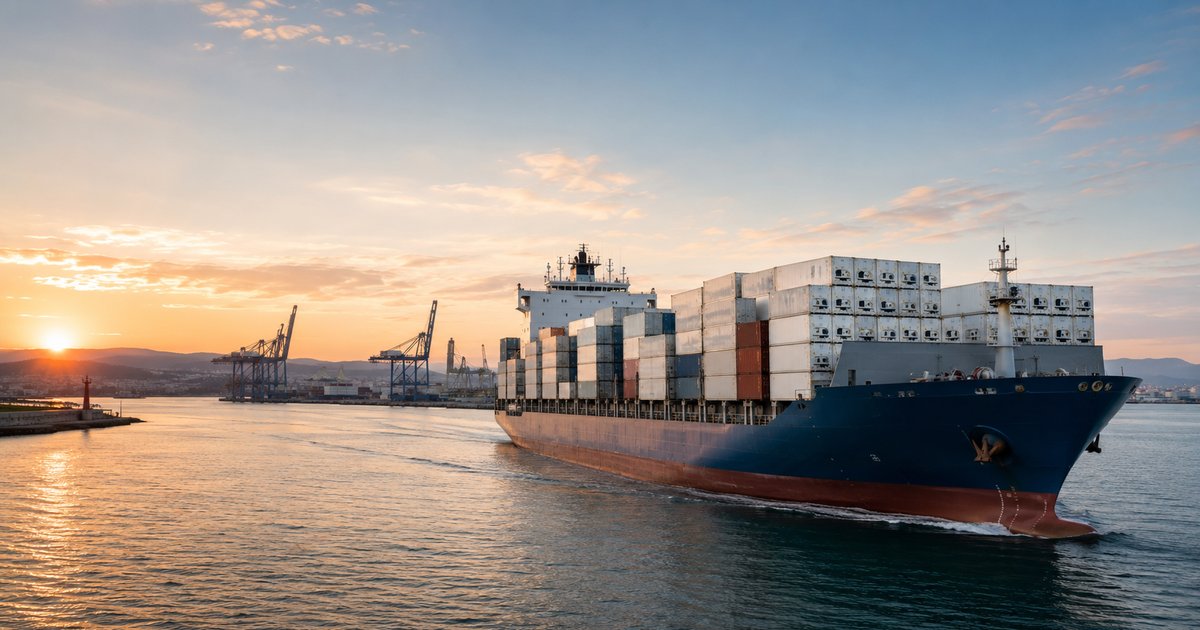
Alexandria, together with the adjacent El Dekheila terminal, remains the default for produce leaving the Nile Delta. It has the deepest pool of reefer plugs, the widest carrier coverage to the Mediterranean, Northern Europe and the Black Sea, and the shortest road haul from packhouses in Beheira, Nubaria and the western Delta. The trade off is congestion. During the citrus peak from December through March, gate queues and yard pressure build, and a container that misses its cut off can wait a week for the next suitable sailing. Indicative transit is around five to seven days to Novorossiysk and ten to fourteen days to North European base ports.
Damietta handles a large share of eastern Delta volume and is generally the faster gate experience of the two Mediterranean options. For packhouses in Sharkia, Dakahlia and Damietta governorate the inland leg is short, which matters when fruit is loaded warm and every hour before the reefer is plugged counts. Damietta is strong on short sea services to Turkey, Greece, Italy and the Levant, with sailings to Mersin often in the two to three day range. Carrier coverage to Northern Europe is thinner than Alexandria, so check the schedule before committing a programme.
East Port Said sits on the Mediterranean mouth of the Suez Canal and functions primarily as a transhipment hub. Its value for produce is direct main line coverage: boxes can join large vessels without an extra feeder leg, which reduces handling and the number of times a reefer is unplugged. The disadvantage is inland distance from most Delta packhouses, which adds road time and cost. It works best for consolidated volume moving to the Far East or to markets where a direct main line call outweighs the extra trucking.
Ain Sokhna sits on the Gulf of Suez, south of the canal. For buyers in the Gulf, the Indian subcontinent and East Asia this is the port that removes a canal transit and the associated cost and delay. Indicative transit runs about five to seven days to Jebel Ali and nine to twelve days to Nhava Sheva. Sokhna is the natural choice for Saudi, UAE, Qatari, Indian and Bangladeshi buyers, and the inland haul from Delta and Upper Egypt packhouses is manageable. Reefer plug capacity is smaller than Alexandria, so booking further ahead is sensible in peak weeks.
On FOB terms the named port belongs in the contract, not in a follow up email, because it determines where risk and cost pass and what the buyer is actually paying for. Our guide to Incoterms 2020 for Egyptian produce sets out how FOB, CFR, CIF and DAP allocate those costs. Once the port is fixed, the loading plan follows, and the reference on reefer container loading for Egyptian produce covers pallet configurations and set points crop by crop.
Europe, Russia and the Mediterranean load from Alexandria or Damietta. The Gulf, India and Southeast Asia load from Ain Sokhna. The Far East on consolidated volume loads from East Port Said. Where two options are close, let the packhouse location and the sailing schedule decide rather than the port name.
For a routing recommendation on a specific product and destination, including indicative freight and the nearest loading port to the packing facility, contact the PEI Trade export desk on WhatsApp at +20 10 9911 1918.
