Address
Work Hours
Monday to Friday: 7AM - 7PM
Weekend: 10AM - 5PM

Address
Work Hours
Monday to Friday: 7AM - 7PM
Weekend: 10AM - 5PM


A practical guide for West African importers buying Egyptian produce: which crops move into Lagos, Tema and Dakar, realistic transit times, the document set, and how payment is usually structured.
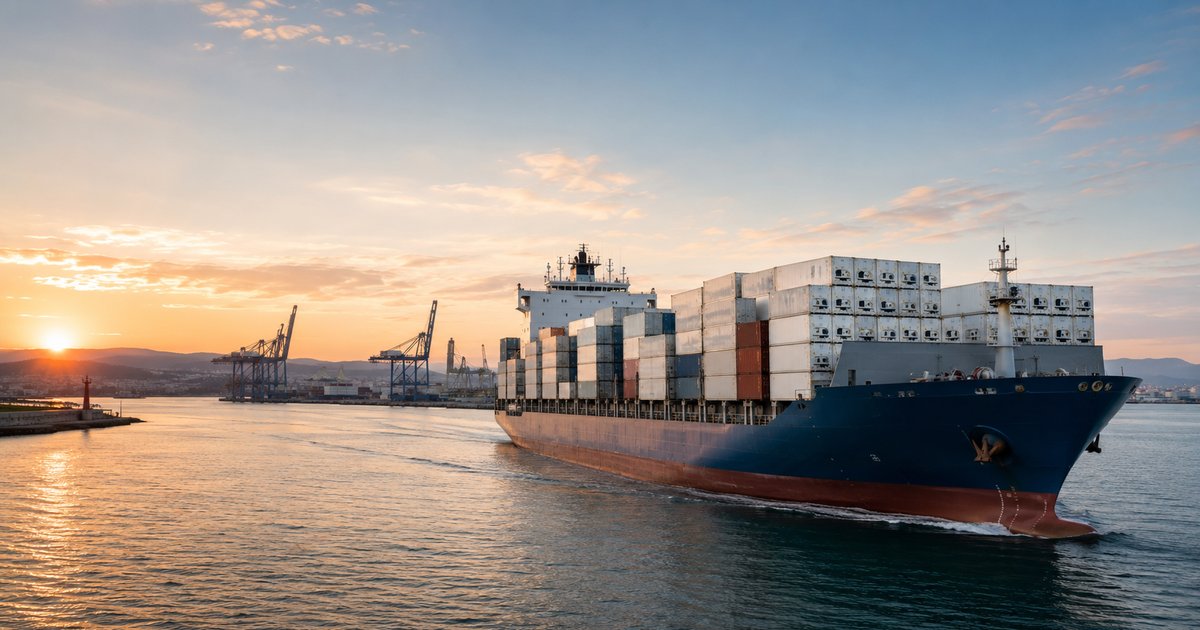
West Africa has stopped being an occasional destination on our shipping list and become a standing part of the programme. Enquiries from Lagos, Tema, Abidjan and Dakar now arrive year round rather than only in the citrus months. The routing is workable and the documents are manageable, but the region rewards buyers who plan the shipment properly and punishes those who treat it like a short Mediterranean run.
Ware potato is the single largest line. It ships in 25 kg jute or mesh bags, sizes 45 to 65 mm and 65 to 90 mm depending on whether the buyer serves the fresh market or a processor, with the main Egyptian window running February through June. Onion follows closely: golden and red, 50 to 70 mm and 70 to 90 mm, in 25 kg mesh bags, twenty tonnes per forty foot container. Garlic moves in 10 kg cartons or mesh, dry-cured, from the June harvest onward.
On the fruit side, Valencia oranges from January to May are the reliable line for the region, packed in 15 kg telescopic cartons at counts 56 to 88, which suits both wholesale and market traders. Dates in the Siwi and dry grades ship well without reefer capacity. Frozen products are growing steadily into the foodservice trade in Lagos and Accra, mainly IQF strawberry, okra and molokhia at minus 18 degrees Celsius. The full picture by month is in our Egyptian produce export calendar for 2026/2027.
Alexandria and Damietta are the practical load ports for the West African run. Sokhna is the wrong side of the canal for this trade unless your cargo is already positioned in the east. Direct calls from Egypt to West African ports are rare, so nearly every reefer booking tranships at a Mediterranean or North European hub. Plan on twelve to twenty days to Dakar and twenty to thirty days to Tema and the Lagos terminals, and treat any quoted figure at the bottom of those ranges as optimistic during peak weeks. A comparison of the load ports and what each one does well is set out in our review of Egyptian export ports.
The cost that surprises first-time buyers is not the freight. It is free time at destination. Congestion at Apapa and Tin Can Island can hold a reefer for days before it plugs in at the terminal, and detention on a refrigerated box accumulates quickly. Negotiate fourteen to twenty-one days of combined free time at the point of booking rather than after the vessel sails.
The Egyptian side of the file is consistent: phytosanitary certificate issued by the Central Administration of Plant Quarantine, certificate of origin, commercial invoice, packing list, and the bill of lading. Frozen and processed lines add a health certificate. Several West African markets also run their own conformity assessment on the import side, with pre-shipment verification carried out by an appointed inspection body before the goods leave Egypt. That inspection has to be arranged before loading, not after, so tell your exporter at the quotation stage which scheme applies in your country. We arrange SGS or Intertek attendance at loading on request.
CFR to the destination port is the usual basis, with the importer handling clearance and inland delivery. On first shipments we work with a deposit of twenty to thirty percent against the proforma and the balance against scanned documents, moving to a documentary letter of credit once the trading relationship has volume behind it. Currency availability can stretch settlement timelines in some markets, so agree the mechanism before the container is booked rather than while it is on the water. The options are compared in our note on payment terms on Egyptian produce exports.
If you are building a West African programme for the coming season, send us the crop, the volume, your port and your target arrival window, and we will come back with a CFR price and a sailing. Reach the export desk on WhatsApp at +20 10 9911 1918.
