Address
Work Hours
Monday to Friday: 7AM - 7PM
Weekend: 10AM - 5PM

Address
Work Hours
Monday to Friday: 7AM - 7PM
Weekend: 10AM - 5PM


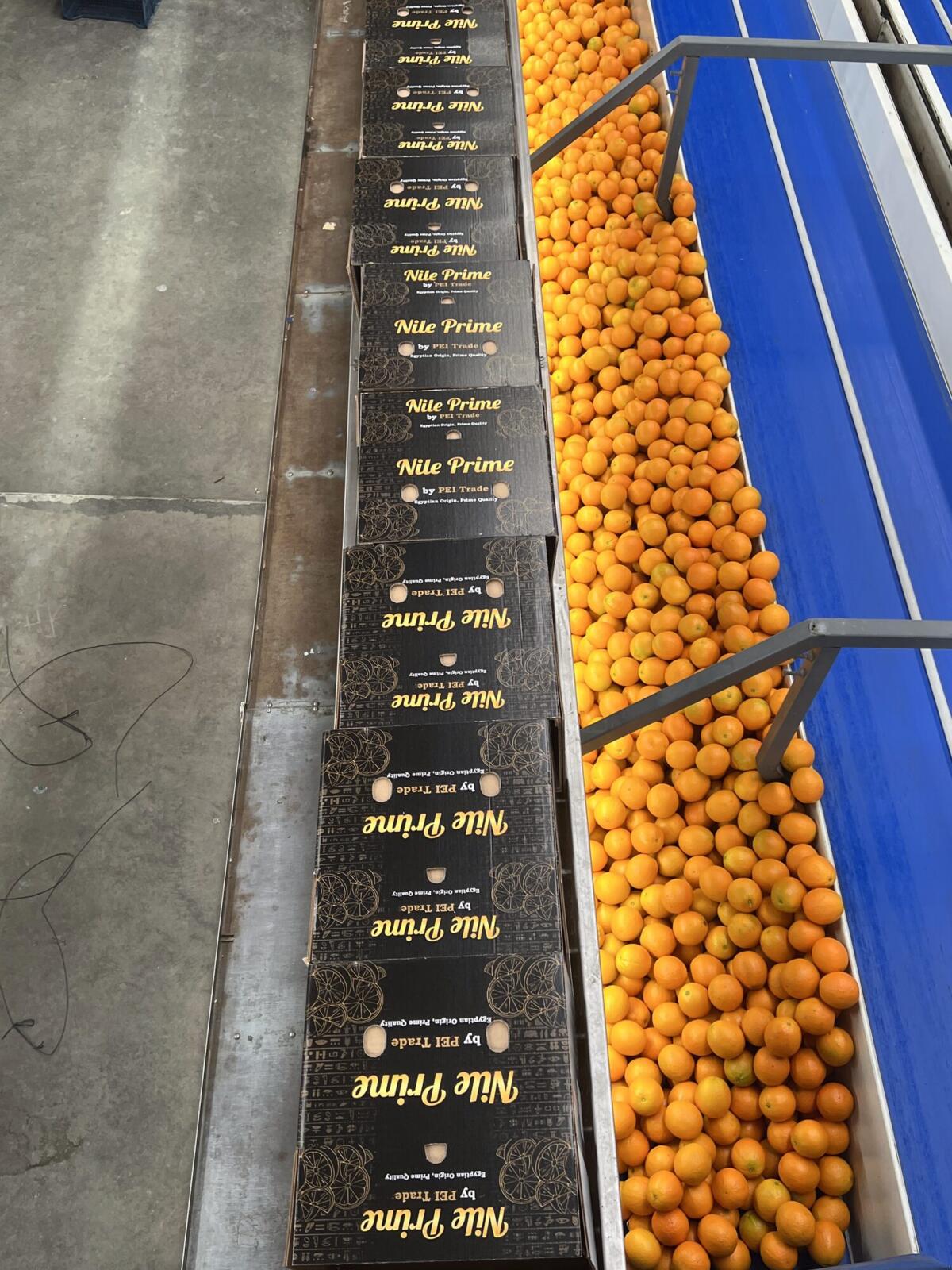
Border refusals on fresh produce, the reasons behind them, the options once a container is held, and the checks that stop the situation arising on an Egyptian export shipment.
A refusal at destination is rare, but it is the single most expensive event in an export programme. The container is already on the far side of the water, the fruit is losing shelf life while the file is reviewed, and demurrage runs from the day the box lands. Both sides handle it better when they understand in advance what triggers a refusal and what the realistic outcomes are.
Border refusals on fresh produce fall into a small number of categories, and the first three account for most cases.
Once a consignment is detained, the competent authority sets the options. Usually the importer may request re-inspection or a second laboratory sample, and that alone can take several days on a fruit that has already spent two to three weeks in transit. Where the finding is confirmed, the practical outcomes are re-export to a third market that accepts the consignment, treatment or reconditioning where the fault can be corrected, downgrading to processing where the market permits it, or destruction at the importer’s cost. Re-export sounds attractive on paper and rarely works on a perishable, because the remaining shelf life will not carry the fruit to a second destination.
The Incoterm decides where risk passed, but it does not decide fault. On a CFR or CIF sale the risk sits with the buyer from the moment the goods are loaded, yet a residue finding traced to the packhouse is an exporter failure and is settled commercially, not by the Incoterm. Sort this out in the contract before the season rather than during a detention. State which laboratory results both parties accept, how a second sample is taken, and what happens to the balance payment while a load is held.
Nearly every refusal we have seen traced back to a step skipped before loading. Test residues on the specific block, not on a farm average, and hold the report against the shipment. Confirm the destination limits before the pre-harvest interval is set, since the tightest market on the container dictates the spray programme. Reconcile the certificate, the packing list and the carton label against one another before the seal goes on. Verify that the importer is registered and that any prior notification the market requires has been filed. Our note on MRL and residue testing before loading sets out the sampling side of that, and the pre-shipment inspection guide covers what a proper inspection report should contain.
Rules and market limits change through the season, so treat this as a working framework and confirm the current position with your own broker and the authority in your market before each programme.
If you want to see the residue reports, certificates and inspection records that go with a shipment before you book it, message the PEI Trade export team on WhatsApp at +20 10 9911 1918.
