Address
Work Hours
Monday to Friday: 7AM - 7PM
Weekend: 10AM - 5PM

Address
Work Hours
Monday to Friday: 7AM - 7PM
Weekend: 10AM - 5PM


Moisture loss during reefer transit by crop, why a carton packed at 4.0 kg net can weigh less at destination, and the contract and packing decisions that keep the shortfall inside tolerance.
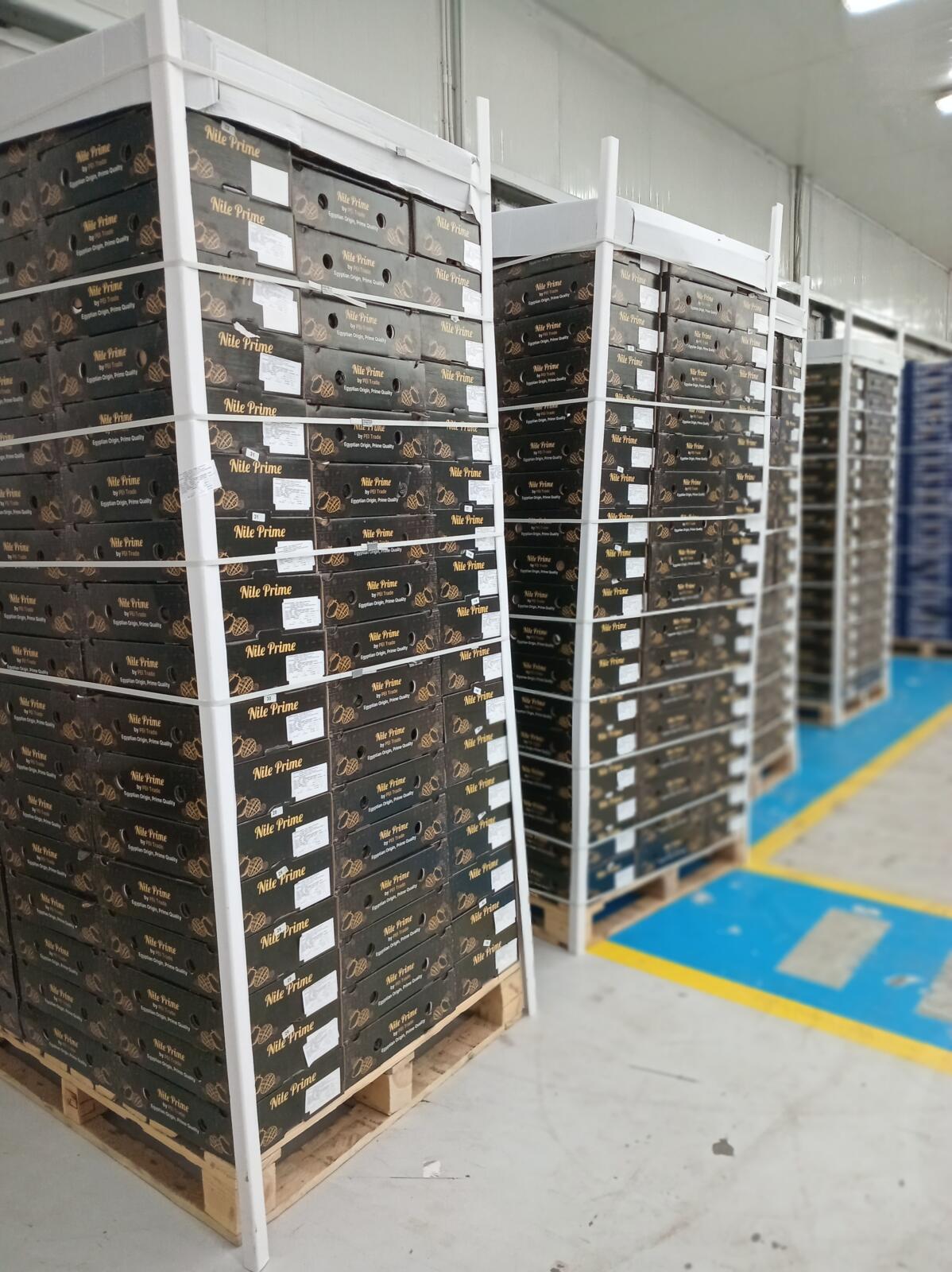
A buyer weighs a sample of cartons on arrival, finds 3.88 kg where the label says 4.00 kg net, and opens a claim. In most cases nothing was short-packed. The fruit lost water on the way. Transpiration continues after harvest, and over a fourteen to twenty-one day sailing it removes a measurable share of the load. Contracts that ignore this produce arguments every season. Contracts that account for it do not.
Three factors govern how much water leaves the fruit. The vapour pressure deficit between the produce and the air around it, which is a function of temperature and relative humidity. The surface area to volume ratio of the commodity, which is why a bunch of mint loses proportionally far more than an onion. And the integrity of the barrier around the fruit, meaning the liner, the wax coating and the carton itself.
Airflow works against you here. The same ventilation that removes field heat and respiratory gases also carries moisture away. Fresh air exchange settings are a balance, not a maximum, and we cover the crop-by-crop positions in our note on relative humidity and fresh air exchange in reefer transit.
These are working figures for a correctly set reefer, pre-cooled cargo and a fourteen to twenty-one day door-to-door transit. They are not guarantees, and a broken cold chain will exceed them.
Note the pattern. Storage crops with a cured skin lose least. Thin-skinned and high surface area items lose most. The packing format moves the number as much as the commodity does.
Perforated polyethylene liners raise humidity inside the carton and typically halve the loss on beans, herbs and pomegranate. The perforation rate matters, because a fully sealed liner traps condensation and invites decay. A macro-perforated liner at around 0.4 per cent open area is the usual compromise on produce that needs to breathe.
Waxing on citrus reduces water loss and also improves gloss, though it is not a substitute for correct pulp temperature. Pre-cooling to the target set point before the doors close removes the first and steepest phase of loss, which happens while the load is still pulling down. Our reference on reefer set points for Egyptian produce lists the target temperatures and humidity ranges by crop.
Specify net weight at the point of packing, state the packing tolerance, and state a separate transit allowance. A workable clause reads along the lines of: net weight 4.00 kg per carton at packing, packing tolerance plus or minus 2 per cent, natural weight loss in transit up to 4 per cent not a ground for claim. Name the Incoterm in the same clause so it is clear at which point the weight is verified.
Where net weight is commercially critical, overpack at origin. Packing to 4.10 kg on a 4.00 kg declared net costs a small amount of fruit and removes the dispute entirely. Buyers on retail programmes with a legal minimum content requirement should say so at quotation stage, because it changes the pack instruction on the line.
PEI Trade packs to declared net weight with documented tolerances on all export-grade lines. For a specification or quotation on a particular crop and destination, message our export desk on WhatsApp at +20 10 9911 1918.
