Address
Work Hours
Monday to Friday: 7AM - 7PM
Weekend: 10AM - 5PM

Address
Work Hours
Monday to Friday: 7AM - 7PM
Weekend: 10AM - 5PM


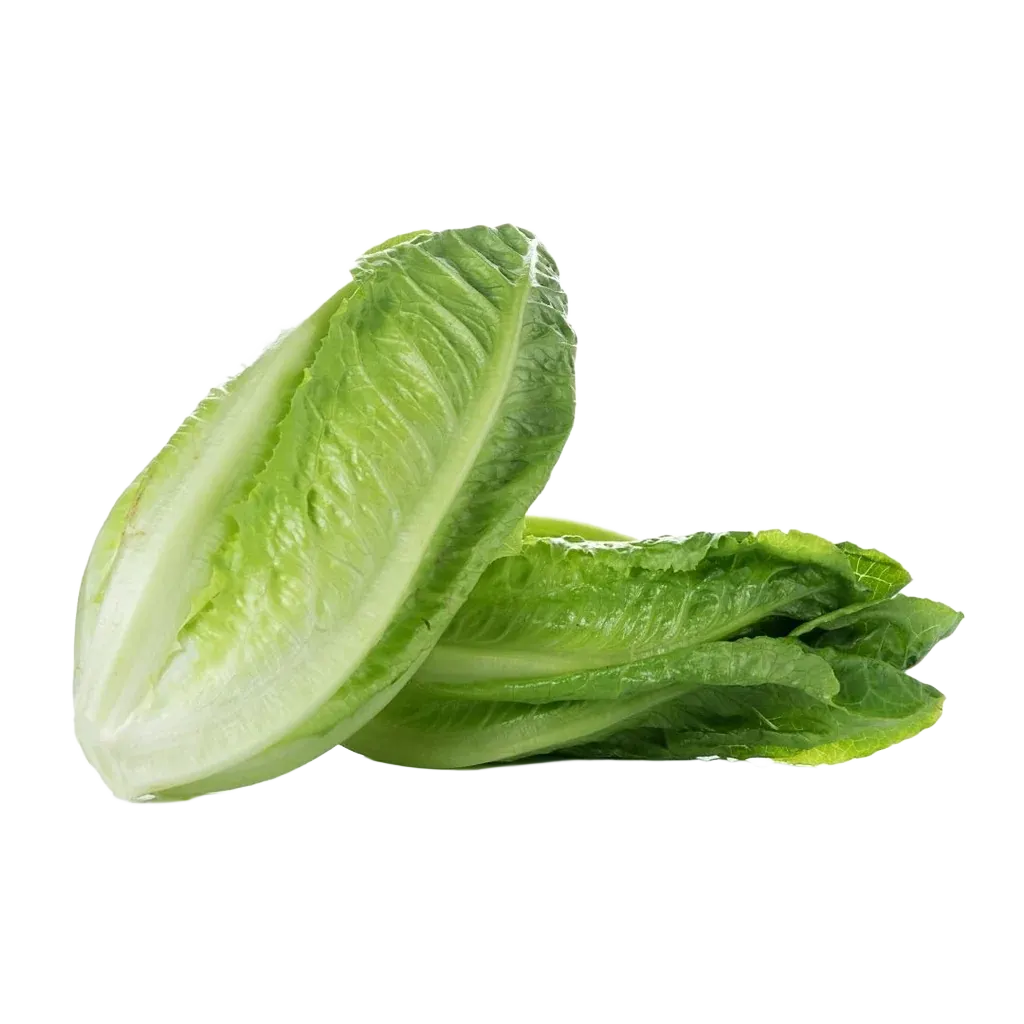
Egypt supplies iceberg (crisphead) lettuce to European and Gulf markets through the winter window, when Nile Delta field conditions produce tight, heavy heads while much of Europe is out of season. This spec sheet covers export varieties, head-weight and caliber grades, the vacuum-cooling cold chain, packing formats, and the November–April season — everything an importer needs to write a purchase spec.
Egyptian iceberg is grown mainly in the Nile Delta and reclaimed desert farms, in sandy-loam soil under controlled drip irrigation. Cultivars are chosen for firm heads, uniform size, and tolerance to the warmer end of the growing window.
| Variety | Head character | Best use |
|---|---|---|
| Great Lakes | Tight, compact, crisp pale-green | Retail & foodservice — sweet, mild |
| Salinas | Large, dense, tightly packed | Salads, wraps, fresh-cut |
| Cherokee | Compact, heat-tolerant | Warmer-region / shoulder-season crop |
Export lettuce is graded to the UNECE FFV-22 standard for lettuces and endives. Class I is the common export grade: heads well-formed, firm, clean, free of tipburn, rot, and seed-stem (bolting).
| Parameter | Export specification |
|---|---|
| Head weight | 400–800 g (buyer-defined band, e.g. 450–600 g) |
| Count per carton | 9 / 10 / 12 heads |
| Quality class | Class I (UNECE FFV-22); Class Extra on request |
| Firmness | Firm, compact; no puffiness or looseness |
| Trim | Butt cut clean; 2–3 wrapper leaves retained |
| Defects | Free of tipburn, russet spotting, rot, bolting |
| Color | Uniform pale to medium green; no red discoloration |
Iceberg lettuce is highly perishable and loses quality fast if field heat is not removed quickly. The export standard is vacuum cooling: harvested heads are cooled to roughly 1–4 °C within hours of cutting, which extends shelf and storage life and lets fruit reach Europe, Scandinavia, and the Gulf in condition. From cooling onward the chain stays unbroken:
Egyptian iceberg is an open-field winter crop, available November through April, with peak volume December to March. This window fills the Northern-Hemisphere gap when European open-field lettuce is largely unavailable — the core reason Egyptian iceberg finds strong winter demand in Germany, the Netherlands, the UK, Scandinavia, and the Gulf.
Primarily iceberg (crisphead) lettuce — varieties Great Lakes, Salinas, and Cherokee — grown as a winter crop in the Nile Delta for export in firm, well-trimmed heads.
November to April, peaking December–March. It complements the European off-season, which is when import demand is highest.
By vacuum cooling to ~1–4 °C within hours of harvest, then holding an unbroken cold chain at 0–2 °C through reefer transport, often with MAP liners to preserve crunch and shelf life.
Cartons of 9, 10, or 12 heads (~8–10 kg net), Class I to UNECE FFV-22, heads 400–800 g, film-wrapped or with retained wrapper leaves per buyer spec.
PEI Trade. “Egyptian Lettuce Export Specifications: Iceberg Grades, Cooling & Season.” peitrade.com, 2026, https://peitrade.com/egyptian-lettuce-export-specifications/
Reference standards: UNECE FFV-22 (Lettuces and Endives); Codex Alimentarius CXC 53-2003 (Fresh Leafy Vegetables); ITC Trade Map HS 0705.
[email protected] · WhatsApp +20 109 911 1918 · www.peitrade.com · Brand: nile-prime.com · Ports: Alexandria, Damietta, Sokhna, Port Said (Incoterms 2020)