Address
Work Hours
Monday to Friday: 7AM - 7PM
Weekend: 10AM - 5PM

Address
Work Hours
Monday to Friday: 7AM - 7PM
Weekend: 10AM - 5PM


What triggers a quarantine interception on Egyptian fruit and vegetables at EU, UK and Gulf border control posts, how the notification process works, and the packhouse controls that keep a consignment clean.
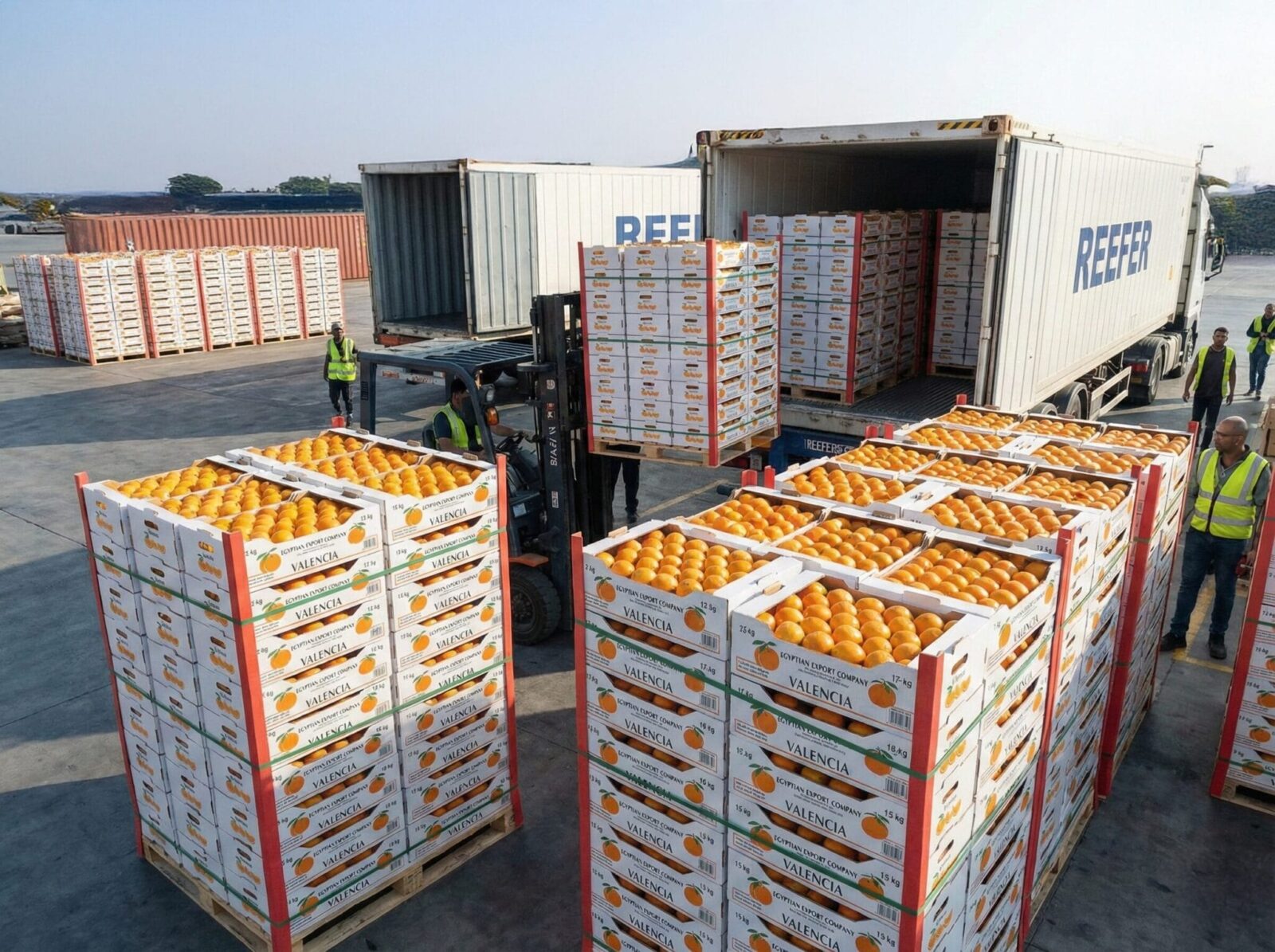
Most importers meet the phytosanitary system only through the certificate stapled to the document file. It matters far more than that. A single live larva found during an inspection at a border control post can put a consignment into destruction or re-export, and a run of findings against one origin can tighten the inspection rate on every container that follows. Understanding what inspectors are actually looking for is part of choosing a supplier.
Two organisms account for most quarantine findings on Egyptian fruit. False codling moth, Thaumatotibia leucotreta, is the concern on citrus and pepper, and it is the reason EU-bound orange and mandarin consignments are subject to cold treatment or an approved equivalent. Mediterranean fruit fly, Ceratitis capitata, is the concern across mango, guava, fig, pomegranate and citrus, and it drives treatment requirements into several Gulf and Asian markets. Beyond those two, inspectors record findings for thrips and mealybug on greenhouse vegetables and herbs, and for soil and plant debris on root crops, which is a straightforward hygiene failure rather than a pest problem.
Chemical residue findings sit in a separate stream but reach the same outcome. A lot that exceeds a maximum residue level is detained, and repeated findings can move an origin onto increased official controls at a set inspection frequency. Our note on MRL and residue testing on Egyptian produce covers how lots are screened before loading.
The importer pre-notifies the consignment before arrival. At the border control post the file is checked first, then the goods are subject to identity and physical checks at a frequency set for that commodity and origin. Physical inspection means cartons are opened, fruit is cut, and a sample is examined. If a live quarantine organism is found, the consignment is detained and the finding is recorded and circulated to other member state authorities, which is why one interception has consequences well beyond the container it came from.
The importer is then offered destruction, re-export, or in some cases treatment and release where an approved treatment exists. Each of those carries cost, and none of them is covered by an ordinary marine cargo policy, because a quarantine rejection is not physical loss or damage. That is worth knowing before you assume the insurance will absorb it.
Almost everything that prevents an interception happens in Egypt, weeks before loading. Registered farm blocks under a pest monitoring programme with trap counts recorded through the season. Field scouting close to harvest so that affected blocks are diverted rather than packed. Grading that removes stung, punctured and split fruit rather than relying on downstream sorting. Cold treatment run and logged correctly where the destination requires it, with probe placement that satisfies the protocol rather than merely the paperwork. The destination-by-destination requirements are set out in our guide to cold treatment and phytosanitary protocols.
As a buyer you can verify most of this before the first container. Ask for the farm registration numbers behind the lot, the trap monitoring records for the harvest period, the treatment recorder trace where applicable, and the pre-shipment inspection report with its cut-fruit counts. A supplier who cannot produce those is asking you to carry the quarantine risk alone.
PEI Trade packs from registered and monitored blocks and arranges independent pre-shipment inspection through SGS or Intertek on request. To discuss the protocol for your market before the season opens, message the export desk on WhatsApp at +20 10 9911 1918.
