Address
Work Hours
Monday to Friday: 7AM - 7PM
Weekend: 10AM - 5PM

Address
Work Hours
Monday to Friday: 7AM - 7PM
Weekend: 10AM - 5PM



The pallet footprint decides how many cartons reach your warehouse and whether the load clears customs. Euro against industrial pallets, ISPM 15 marking, stack heights and typical cartons per pallet across Egyptian export crops.
What an export carton specification should state for Egyptian produce: board grade and flute, carton style, vent area, net weight and stacking strength, crop by crop.

Not every Egyptian export crop needs a refrigerated container. A crop by crop reference on which produce moves in a ventilated dry box, which needs a reefer, and where the freight saving stops being worth it.
Which Egyptian crops ship in modified atmosphere packaging, the target gas mixes by product, what MAP adds in shelf life, and where the film costs more than it returns.
Chilling injury damages produce held above freezing but below its safe minimum. Threshold temperatures, highest freezing points and arrival symptoms for 14 Egyptian export crops.
Transit weight loss on Egyptian produce runs from about 0.5 to 4 percent of net carton weight by crop. Loss rates, overpack practice, contract wording and when a short arrival weight becomes a claim.
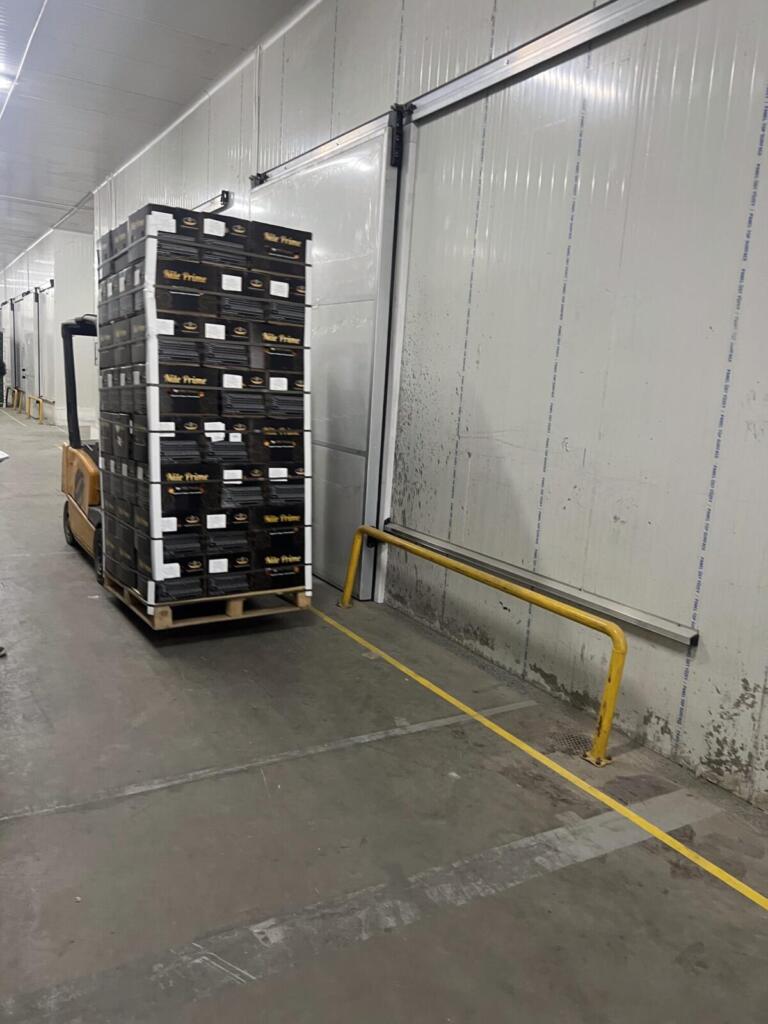
Which Egyptian crops give off ethylene, which are damaged by it, and the pairings that should never share a cold room or a reefer. Production rates and sensitivity ratings by crop.
Typical port-to-port sailing days from Alexandria, Damietta, Port Said and Sokhna to the destinations Egyptian reefer produce actually moves to, plus the days to add either side of the sea leg.
Which cooling method each Egyptian crop needs before it goes into a reefer, with target pulp temperatures, seven-eighths cooling times and the moisture loss each method costs.
What a pre-trip inspection report shows, why container age and machinery history matter on long transits from Egypt, and the checks that justify refusing a reefer before it is stuffed.