Address
Work Hours
Monday to Friday: 7AM - 7PM
Weekend: 10AM - 5PM

Address
Work Hours
Monday to Friday: 7AM - 7PM
Weekend: 10AM - 5PM


A practical read of Incoterms 2020 for Egyptian fresh produce: which rules suit reefer cargo, where risk passes on FOB, CFR, CIF and DAP, and the clauses that decide who pays when a container is delayed.
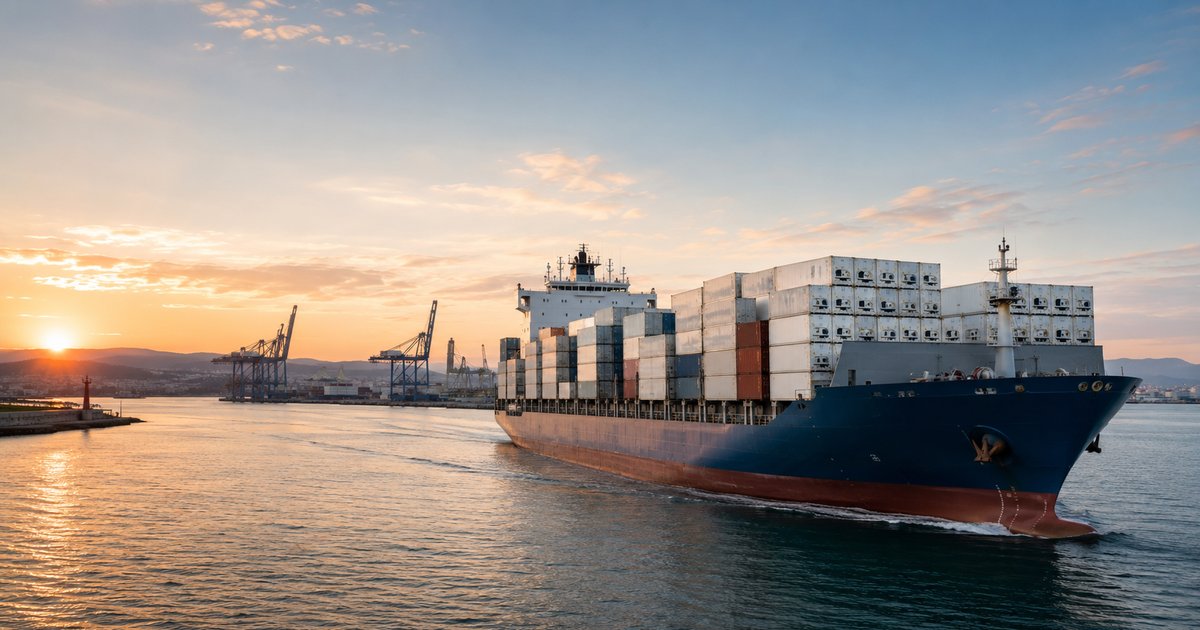
Most quotation disputes on Egyptian produce are not really about price. They are about which costs the three letters at the end of the price were supposed to include. Incoterms 2020 answers that question precisely, and it answers a second one that buyers think about less often: the exact moment the goods become the buyer’s risk. Those two moments are not always the same.
Eleven rules exist. Four do the work in this trade.
| Rule | Seller pays to | Risk passes | Insurance |
|---|---|---|---|
| FOB Alexandria or Damietta | Loading on board the vessel | When goods are on board | Buyer arranges |
| CFR destination port | Ocean freight to the named port | When goods are on board at Egypt | Buyer arranges |
| CIF destination port | Freight plus minimum insurance | When goods are on board at Egypt | Seller buys, buyer claims |
| DAP named place | Delivery at the agreed inland point | On arrival, ready for unloading | Seller’s exposure throughout |
The line that surprises new buyers is CFR and CIF. The seller pays the freight all the way to Rotterdam or Jebel Ali, but the risk left Egypt the moment the container was loaded on board. If the vessel is delayed and the fruit ages, or a reefer unit fails mid-voyage, that is the buyer’s loss to pursue, not a reason to reduce the invoice. The freight being prepaid does not move the risk line.
FCA is the technically correct rule when the container is handed to the carrier at a terminal or an inland depot rather than lifted onto a ship, and Incoterms 2020 added the option for the buyer to instruct the carrier to issue an on-board bill of lading, which removes the old reason for defaulting to FOB under a letter of credit. CIP, unlike CIF, now requires the seller to insure at the higher Institute Cargo Clauses A level, which matters on high-value loads.
EXW is the rule to avoid. It leaves the exporter with no obligation to load the vehicle or clear the goods for export, which is unworkable in practice for a shipper who must hold the phytosanitary certificate and the customs declaration in their own name. Anyone quoting you EXW ex-packhouse on Egyptian produce is quoting a price that will grow.
Incoterms allocate cost, risk and the obligation to clear goods. They do not set the payment terms, they do not transfer title, they do not specify the quality, and they say nothing about who carries demurrage and detention once free time runs out at destination. Those need separate clauses. The same applies to the temperature setting, the vent position and the number of data loggers, which belong in the specification rather than in the price line.
Two documents settle most of the rest. Our guide to export documents on Egyptian produce lists the full set from phytosanitary certificate to bill of lading, and the note on reading an ocean freight quote breaks down what a CFR figure really contains once surcharges are added back.
Name the rule, name the place with enough precision to identify a point, and name the edition. FOB Alexandria, Incoterms 2020 is complete. FOB Egypt is not, because Egypt has four working reefer ports and the terminal charges differ. For DAP, name the delivery address rather than the city. For CIF, state the insured value and whether it is invoice value plus ten percent.
On a first shipment it is worth requesting FOB and CFR side by side. The difference is the freight component, and seeing it isolated tells you whether your own forwarder can beat it on that lane. PEI Trade quotes on FOB, CFR, CIF and DAP for the Gulf, the EU, the UK, Russia and Asian markets. Send the crop, the volume and the destination to the export desk on WhatsApp +20 10 9911 1918 and we will price the same load on more than one term.
