Address
Work Hours
Monday to Friday: 7AM - 7PM
Weekend: 10AM - 5PM

Address
Work Hours
Monday to Friday: 7AM - 7PM
Weekend: 10AM - 5PM


When Egyptian supply tightens, containers are allocated on programme, payment record and flexibility rather than on price. Here is how the decision is actually made and what an importer can do about it.
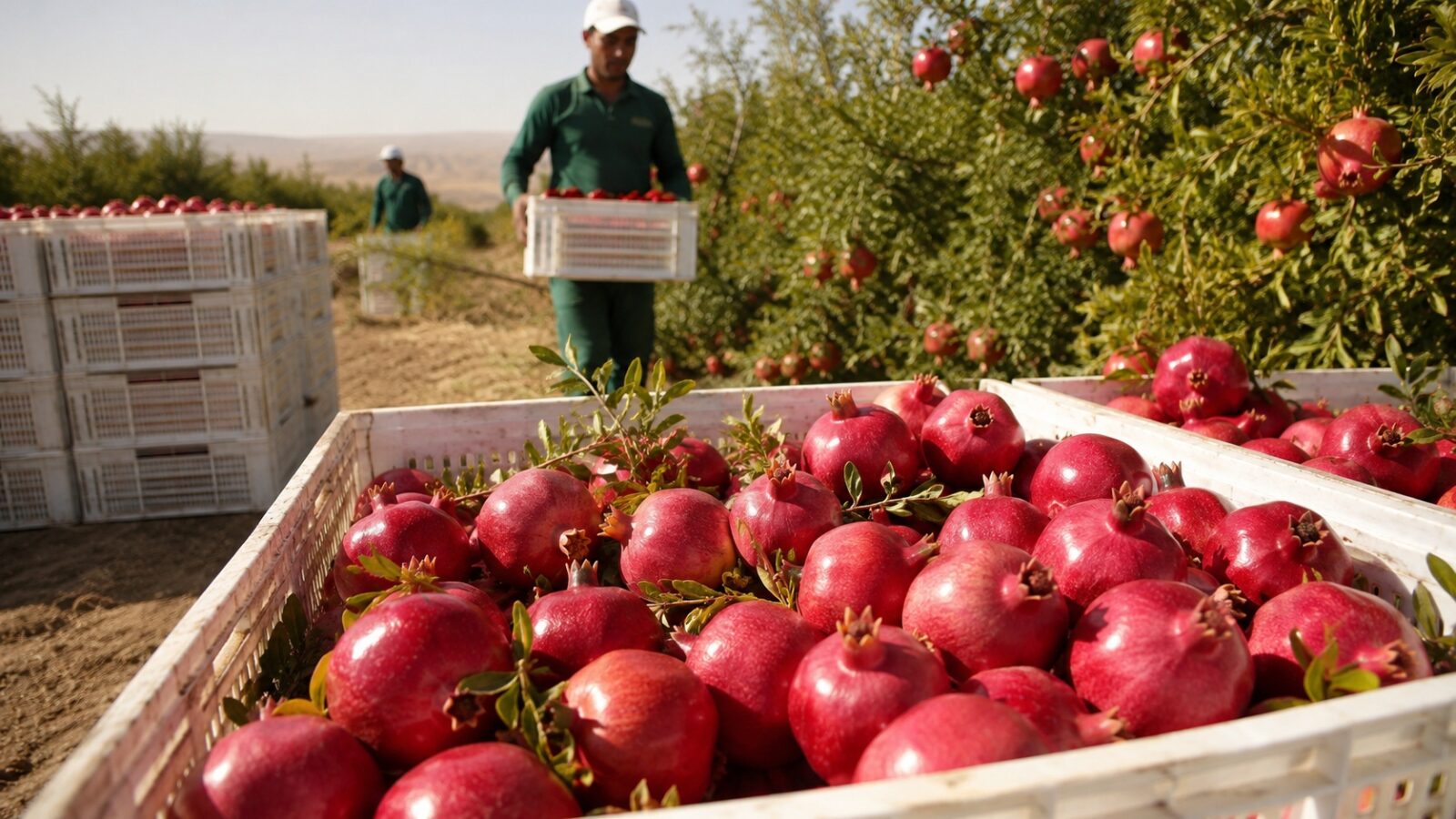
Every Egyptian export season produces a handful of weeks in which demand exceeds what the packhouse can put on pallets. It happens when a heat event compresses the harvest, when a competing origin fails and orders switch to Egypt at short notice, or simply when the peak of a crop coincides with a religious or retail promotion abroad. In those weeks a supplier who has confirmed 30 containers can physically pack 22. Someone is not loading, and the decision about who is made quickly and on grounds that are rarely explained to the buyer who loses out.
Contrary to what most first-time buyers assume, the highest bid rarely wins a short week. The sequence at a serious exporter runs roughly as follows.
Contracted programme volume comes first. A buyer with a written weekly allocation across the season, agreed before the harvest opened, is served ahead of everyone. Second come repeat buyers on a rolling forecast, even without a formal contract, because their volume is predictable and their paperwork is known to clear. Third are spot buyers with a clean payment history. Last, and often not at all, are new spot enquiries, however attractive the price. The reason is commercial rather than sentimental. A programme buyer represents 20 or 30 containers across a season. A spot buyer represents one, and serving the spot order at the programme buyer’s expense costs the exporter far more than it earns.
Several things move a buyer down the list, and most are avoidable. Slow confirmation is the largest. An offer that sits unanswered for 48 hours in a peak week has already been reallocated. Late payment on a previous shipment matters more than buyers expect, because in a short week the exporter is choosing where to place working capital as much as where to place fruit. Rigid specifications hurt too. A buyer who accepts sizes 12 to 16 rather than only size 14 can be served from the natural size curve of the harvest, while a single-count order requires the packhouse to hold back fruit and pack around it.
Documentation readiness is the quiet one. If your import permits, registrations and pre-notification are already in order, your container can be stuffed the day it is packed. If they are not, the exporter has to stage the pallets and carries the risk, which we discuss in our note on cold store staging before loading.
Convert repeat spot buying into a written weekly allocation before the season opens, even a modest one. Give a rolling four-week forecast and update it honestly rather than optimistically, because a forecast that is consistently overstated is discounted by the exporter within a month. Widen your accepted size and grade range where your market allows it. Confirm within the validity of the offer, which on fresh produce is usually 24 to 48 hours. Secure freight in parallel rather than after the fruit, since a confirmed booking makes your order easier to serve. Our guidance on booking reefer space for the citrus season sets out the lead times involved.
None of this guarantees supply in an exceptional week. It does decide the order in which the available fruit is committed, and that order is set long before the week arrives.
We run written seasonal allocations across citrus, pomegranate, onion, garlic and the frozen lines, with weekly confirmation against a rolling forecast. Incoterms 2020 apply on all offers, with loading from Alexandria, Damietta, Port Said and Sokhna. To discuss allocation for the 2026/2027 season, message our export desk on WhatsApp at +20 10 9911 1918.
