Address
Work Hours
Monday to Friday: 7AM - 7PM
Weekend: 10AM - 5PM

Address
Work Hours
Monday to Friday: 7AM - 7PM
Weekend: 10AM - 5PM


How reefer container space is allocated out of Egypt ahead of the Navel and Valencia season, what lead times importers should plan for, and the practical steps that keep a booking from rolling to the next vessel.
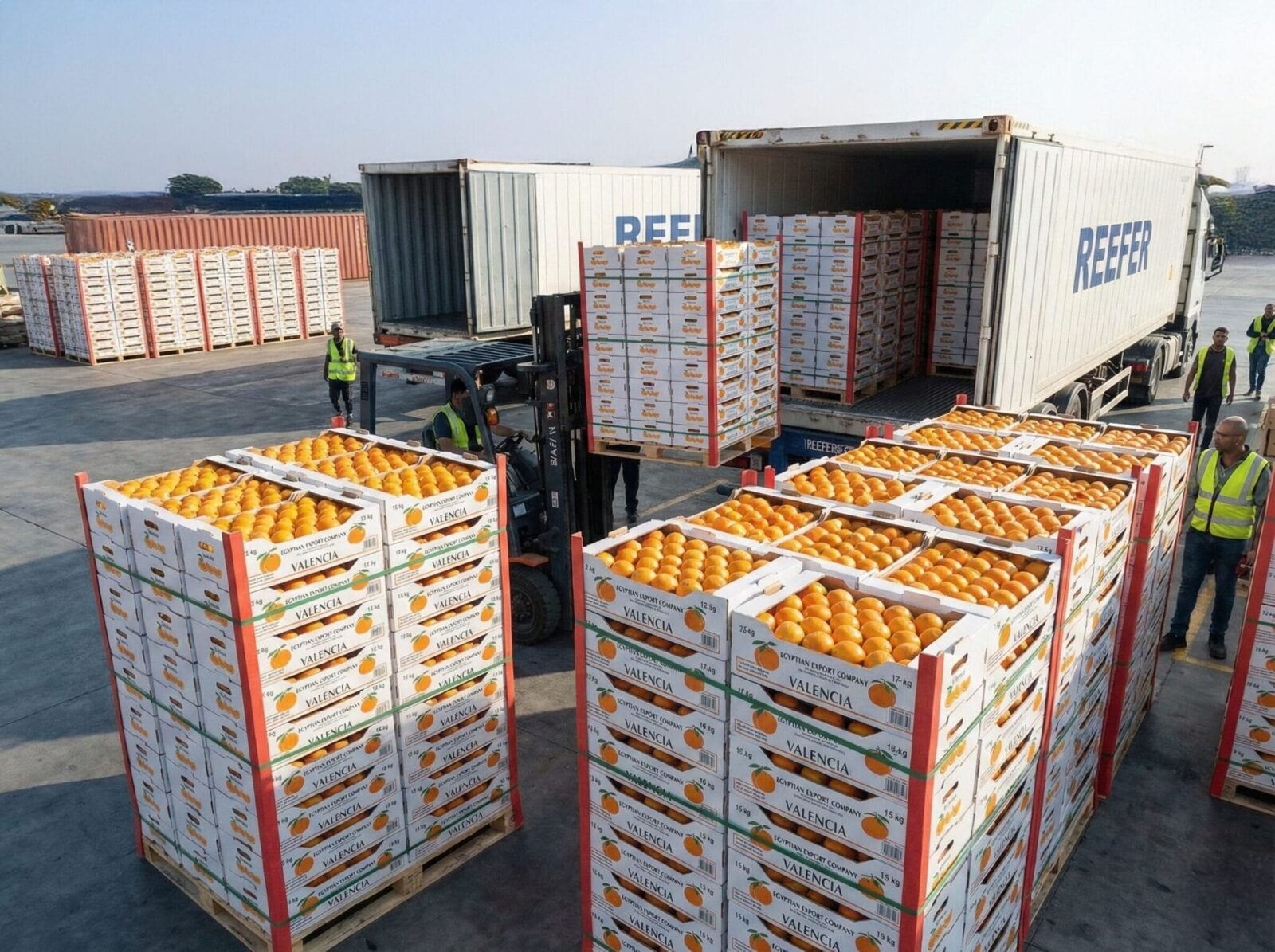
Egyptian citrus starts moving in volume from late November, with Navel oranges opening the season and Valencia taking over from February through to May. The fruit specification is usually settled long before the first container ships. What catches buyers out is the other half of the equation, which is whether there is reefer space on the vessel they need at the rate they budgeted.
Reefer equipment out of Alexandria, Damietta and Port Said is shared across several exporting sectors. Potatoes, onions and frozen product compete for the same plug positions on the same vessels. Once citrus reaches peak weekly volume in January and February, carriers apply allocation rather than open booking, and the space goes to shippers with committed volume rather than to spot enquiries.
In practical terms this means the difference between a confirmed weekly slot and a booking placed ten days before loading is not only price. It is whether the container gets a plug at all.
For a full reefer of oranges from an Egyptian port, a workable sequence looks like this. Rate negotiation and allocation requests to the carrier or forwarder run six to eight weeks ahead of the first intended sailing. Booking confirmation for a specific vessel is normally issued two to three weeks out. Empty container pickup and stuffing happen three to five days before the cut-off, and the gate-in and documentation cut-offs typically fall two to four days before departure depending on the line and the port.
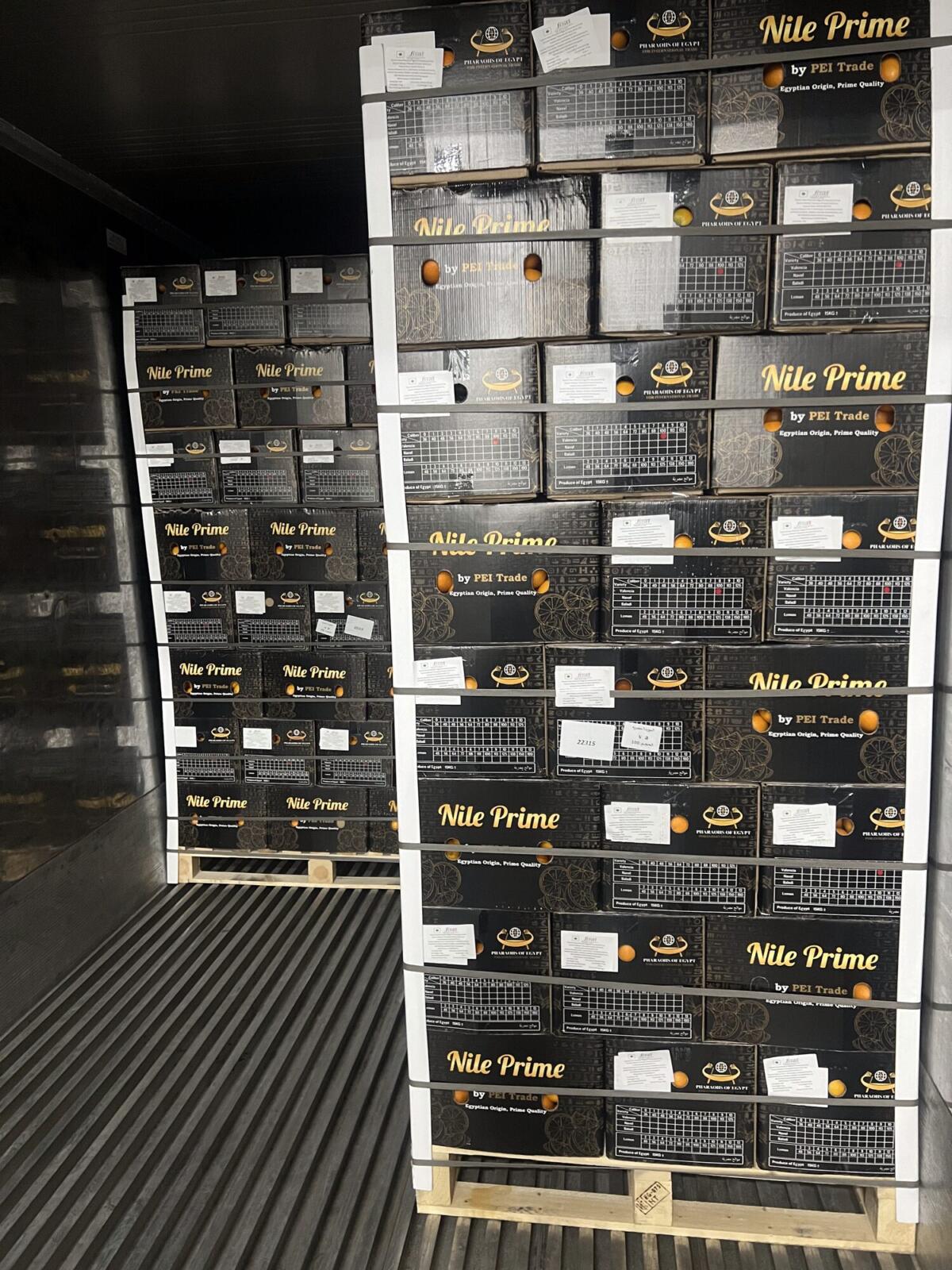
Buyers running a weekly programme should hold a rolling booking with the carrier rather than book container by container. Exporters with an established allocation can usually absorb a one-week volume swing inside an existing slot, which is far easier than finding a new one in February.
Most rollovers on Egyptian citrus trace back to a handful of causes. Late gate-in is the largest single one, usually because the packhouse ran behind on grading or the phytosanitary certificate was issued after the documentation cut-off. Overbooking by the line during peak weeks accounts for another share. Equipment shortage at the depot, particularly for 40 ft high cube reefers, becomes a factor in January.
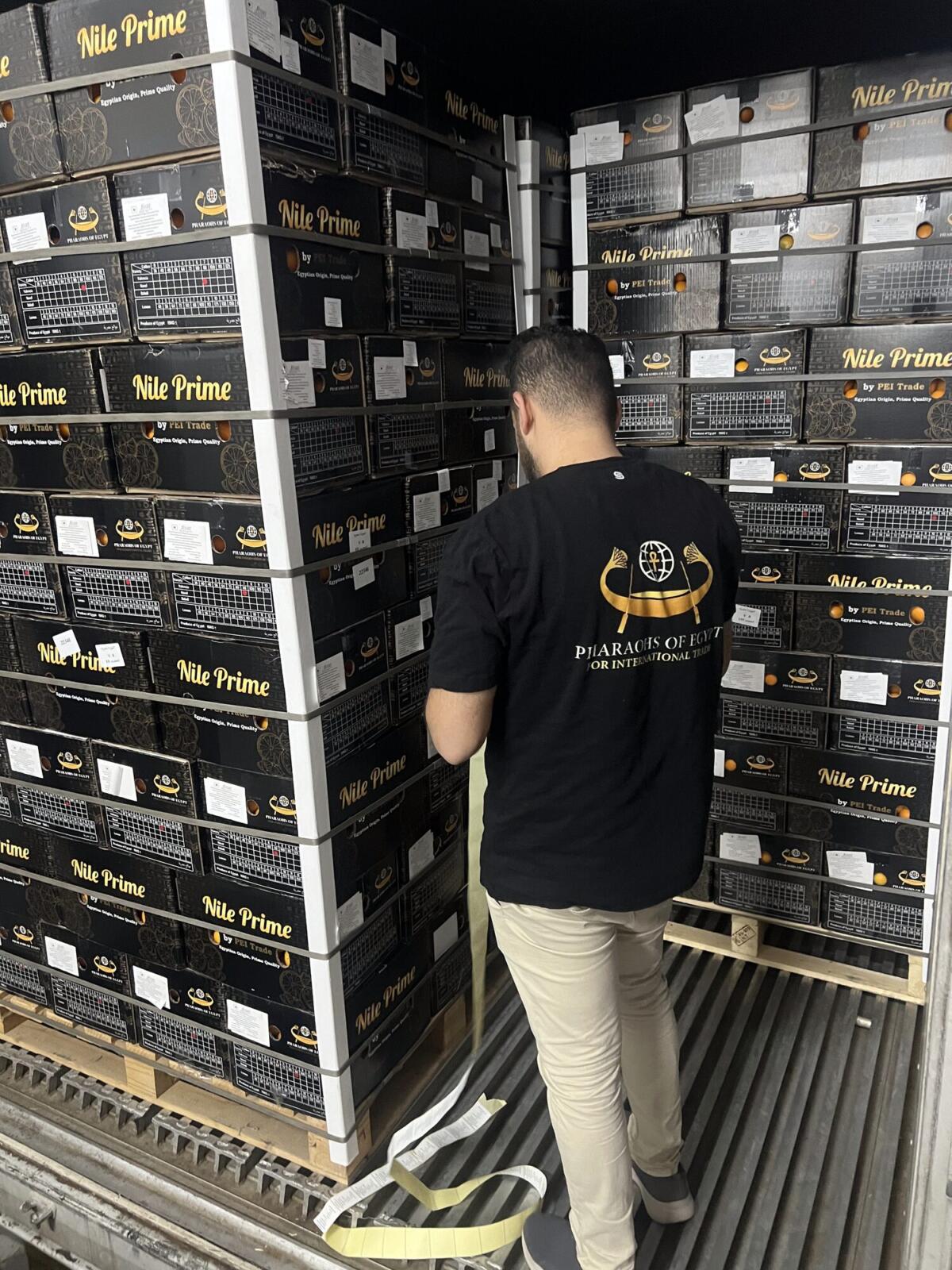
The controllable part sits on the shipper side. Fruit that is picked, pre-cooled and graded against a fixed specification moves to the gate on schedule. Fruit that is still being sized on the day of loading does not. Agreeing the grade, count and carton format in writing before harvest removes the most common source of delay. Our reference on Egyptian orange specifications for 2026/2027 sets out the size codes, carton formats and pallet configurations we quote against.
Alexandria carries the largest share of Egyptian citrus and has the deepest reefer service network, which usually means more sailings and more chance of finding an alternative if a booking rolls. Damietta suits buyers on Eastern Mediterranean and Black Sea routings. Port Said offers transhipment reach but the free time at the terminal is shorter. Sokhna is the practical option for the Gulf, the Red Sea and onward Asian routings. The trade-offs are covered in more detail in our guide to choosing between Egypt’s export ports.
Under FOB, the booking is the buyer’s responsibility and so is the exposure to a rollover. Under CFR or CIF, the exporter books the space and carries that risk, which is one reason many first-time buyers of Egyptian citrus start on CFR terms and move to FOB once they have their own carrier allocation in place. All quotations we issue follow Incoterms 2020 and state the named port and the cut-off dates we are working to.
PEI Trade supplies Navel, Valencia and mandarin from Egyptian packhouses working to a fixed export specification, with SGS or Intertek inspection available on request. Programme allocations for the coming citrus season are being set now, ahead of the November opening.
To discuss weekly volumes, carton formats and port of loading, contact our export team on WhatsApp at +20 10 9911 1918. Send your target size codes, monthly quantity and destination port, and we will come back with a full specification and an indicative shipping schedule.
