Address
Work Hours
Monday to Friday: 7AM - 7PM
Weekend: 10AM - 5PM

Address
Work Hours
Monday to Friday: 7AM - 7PM
Weekend: 10AM - 5PM


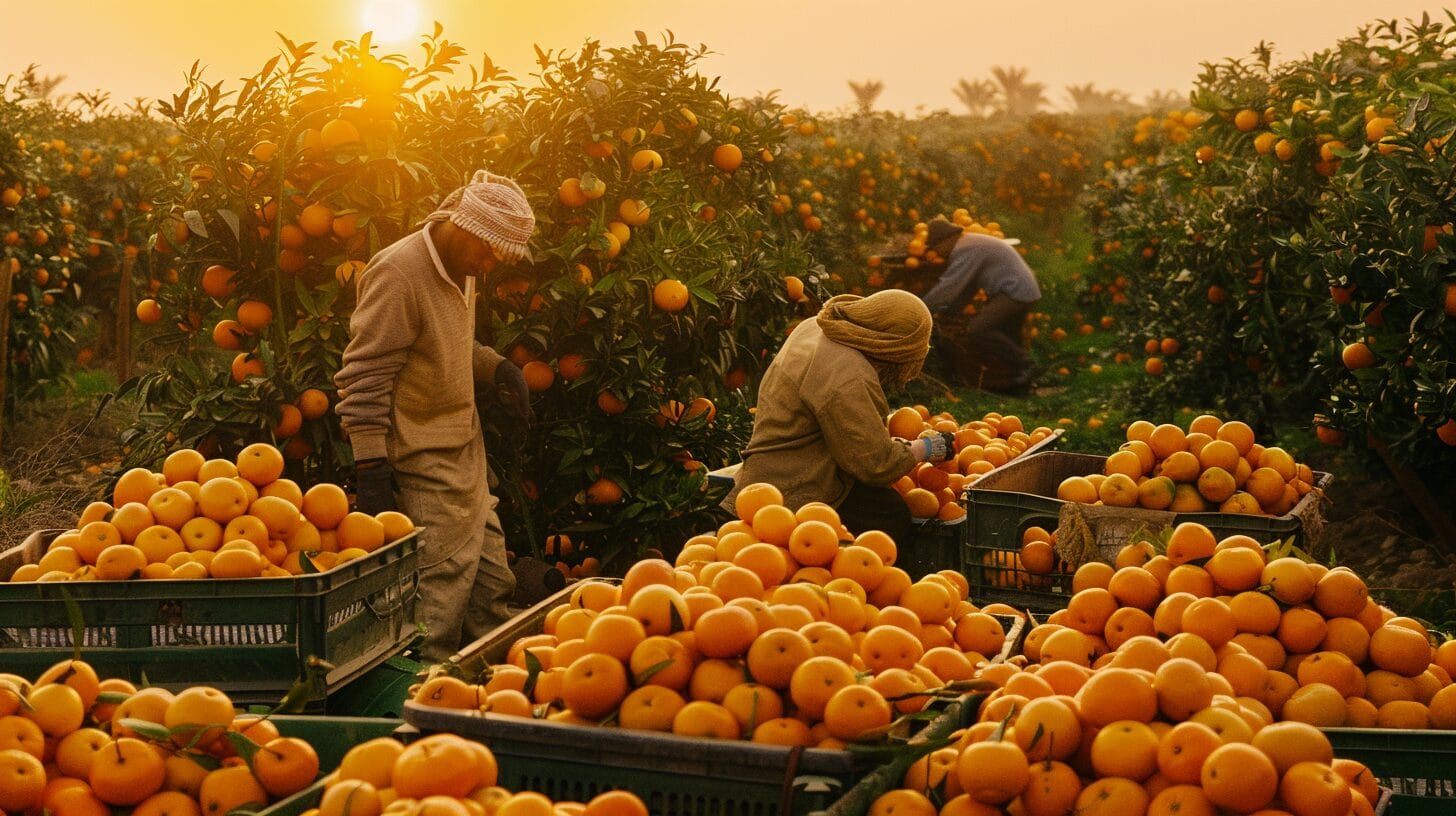
Egyptian citrus export has positioned the country as one of the world’s leading suppliers, shipping over 2 million tons of premium oranges, mandarins, and lemons annually according to FAO trade data to markets across Europe, the Middle East, and Asia. This comprehensive guide covers everything international buyers need to know about sourcing Egyptian citrus—from understanding variety differences and seasonal availability to navigating quality standards, certifications, and logistics.
Whether you’re a procurement manager for a European retail chain, a distributor in the GCC, or a wholesaler exploring Egyptian citrus for the first time, this guide provides the practical information you need to make informed sourcing decisions.
Egypt’s Mediterranean climate, rich Nile Delta soils, and centuries of citrus cultivation expertise create ideal conditions for producing high-quality citrus fruits. Here’s why buyers worldwide prefer Egyptian citrus:
Extended Growing Season: Egypt’s warm winters and mild summers enable 9-month fresh citrus availability (Navel oranges December-April plus Valencia oranges March-August) compared to shorter seasons in competing origins.
Competitive Pricing: Lower production costs and proximity to European and Middle Eastern markets make Egyptian citrus 15-25% more cost-effective than Spanish or South African alternatives.
Quality Consistency: Modern packhouses with optical sorting technology, GLOBALG.A.P certified farms, and strict quality control deliver consistent Class I export quality.
Strategic Location: Alexandria and Port Said ports offer 7-14 day shipping to Europe and 5-10 days to GCC markets—fresher arrival compared to South American competitors.
Diverse Varieties: From seedless Navel oranges for fresh retail to high-juice-content Valencia for processing, plus aromatic mandarins and year-round lemons, Egyptian growers cultivate varieties for every market need.
These advantages make Egyptian citrus export highly competitive in global markets, with consistent year-over-year growth in export volumes.
Understanding the differences between Egyptian citrus varieties is essential for selecting the right fruit for your market. Each variety has distinct characteristics, seasons, and best-use applications.
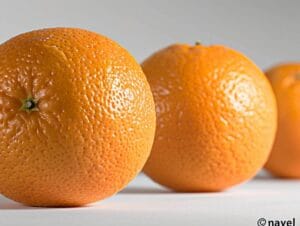
Egyptian Navel oranges are the country’s flagship export citrus, prized for their sweet flavor, seedless convenience, and attractive appearance. The variety is ideally suited for fresh consumption and retail positioning.
Season: December to April, with peak quality January through March when fruit reaches optimal sweetness (12-13° Brix) and full orange color development.
Characteristics: Seedless, thick easy-peel skin (4-6mm), distinctive “navel” formation at blossom end, sweet with balanced acidity (11-13° Brix, 0.8-1.2% acidity), 35-45% juice content. The thick peel provides excellent protection during shipping and extends shelf life to 8-12 weeks under proper cold chain management.
Size Range: Available in counts from 36 (largest, approximately 250g per fruit) to 113 (smallest, approximately 80g). Most popular export sizes are 48, 56, and 64 counts per 15kg carton, ideal for European retail specifications.
Best Markets: Europe dominates demand (UK supermarkets, Netherlands distribution hubs, German quality retailers), followed by GCC markets (Saudi Arabia, UAE, Qatar) where seedless convenience is highly valued.
For complete specifications, sizing details, and sourcing guidance, see our dedicated Egyptian Navel Oranges Export Guide. View our current Oranges product specifications for availability and ordering information.
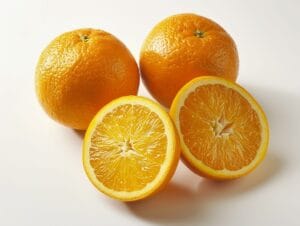
Valencia oranges are Egypt’s summer citrus offering, filling the market gap after Navel season ends. Valued primarily for juice production, Valencia also serves fresh markets during the summer months when alternative varieties are unavailable.
Season: March to August, with peak juice quality May through July when Brix levels reach 13-14° and acidity balances perfectly for processing.
Characteristics: Contains 3-6 seeds (natural for this variety), thin tight-fitting peel (2-4mm), no navel formation (smooth blossom end), higher juice content than Navel (45-55%), excellent juice flavor and color. Late-season fruit may show green “regreening” on peel—this is normal and does not affect internal quality.
Size Range: Counts 40-100+ per 15kg carton. Juice processors accept all sizes (smaller sizes more economical), while fresh market buyers prefer 48-64 counts.
Best Markets: Juice processing plants throughout Europe (Netherlands, Germany, Poland) purchase bulk volumes. Fresh retail markets in Russia, UK, and GCC also buy Valencia for summer orange supply when Navel is unavailable.
Learn about Valencia’s advantages for juice production and fresh market applications in our Egyptian Valencia Oranges Export Guide.
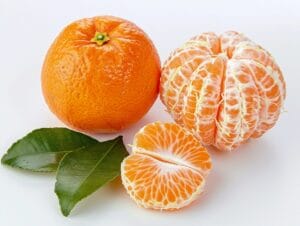
Egyptian mandarins offer the easy-peel convenience and sweet flavor that consumers love. Egypt grows two main varieties, each serving different market preferences.
Season: November to March, with January-February delivering peak quality and sweetness (11-12° Brix).
Baladi Mandarins (Traditional Egyptian Variety):
Fremont Mandarins (California Variety Grown in Egypt):
The thin, delicate peel of mandarins requires careful handling and enhanced packaging compared to oranges. Standard packaging uses 10kg cartons (versus 15kg for oranges) with higher ventilation to prevent moisture-related issues.
For variety selection guidance and detailed specifications, visit our Egyptian Mandarin Export Specifications page. See current Mandarin availability and seasonal pricing.
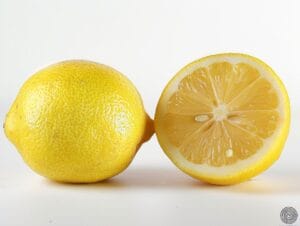
Egyptian lemons provide the unique advantage of continuous 12-month supply—a key differentiator from seasonal competitors like Spain or Turkey. This makes Egypt ideal for buyers seeking stable year-round lemon sourcing.
Season: Available year-round with peak quality October through April. Summer supply (June-August) commands premium pricing due to limited global availability during these months.
Eureka Lemons (European Style):
Baladi Lemons (Mediterranean Style):
Critical Cold Chain Note: Lemons require warmer storage than oranges (10-13°C versus 5-7°C). Storing lemons below 10°C causes chilling injury, peel pitting, and quality loss. This is the most common mistake in citrus cold chain management.
Explore year-round sourcing strategies and variety selection in our Egyptian Lemon Export Specifications guide. Check our Lemon product page for current availability and export options.
Strategic buyers leverage Egypt’s extended citrus season to maintain consistent supply throughout most of the year. Understanding seasonal availability enables optimal timing for quality and pricing.
December-February: Peak Season (All Varieties Available)
Navel oranges reach optimal quality, Baladi and Fremont mandarins peak, Valencia begins early harvest, lemons excellent. This is the highest-quality window for Egyptian citrus. Pre-booking recommended as demand peaks globally during winter months.
March-April: Transition Period (Navel-Valencia Overlap)
Navel oranges late season, Valencia quality building, mandarins (Fremont only) ending, lemons peak continues. Smart buyers use these months to transition smoothly from Navel to Valencia without supply gaps.
May-August: Summer Supply (Valencia Dominance)
Valencia oranges peak for juice production and fresh market, lemons excellent, Navel and mandarins out of season. Egypt’s competitive advantage shines during summer when Spanish citrus ends—Valencia fills the fresh orange gap.
September-November: Lemon-Only Period
Only lemons available (year-round production), early Navel fruit developing but not market-ready, mandarins beginning November. Buyers planning year-round citrus should source alternative origins or stock frozen juice during this period.
Year-Round Coverage Strategy: Combine Navel (December-April) + Valencia (March-August) for 9 months of fresh Egyptian oranges. Add mandarins (November-March) for winter variety. Lemons available all 12 months. Work with suppliers offering pre-booking programs to secure peak-season volumes at favorable pricing.
For detailed month-by-month availability, quality indicators, and optimal ordering windows, download our Egyptian Citrus Seasonality Calendar.
Egyptian citrus exports follow internationally recognized quality standards aligned with Codex Alimentarius and EU regulations. Understanding the grading system helps buyers specify quality requirements and set appropriate price expectations.
Understanding these quality standards is essential for any buyer considering Egyptian citrus export partnerships.
Class I represents the highest export grade, suitable for premium retail positioning and quality-focused markets.
Defect Tolerances: Maximum 5% of fruit surface area may show defects. Permitted defects include minor skin marks, small healed cuts, slight russeting. No decay, mold, or pest damage allowed.
Color Requirements: Minimum 75% of peel must show typical variety color. For oranges, this means 75%+ orange coloration (some green acceptable in early season). Mandarins must show deep orange-red. Color uniformity within carton expected.
Shape & Size: Fruit must be typical shape for variety. Size uniformity strictly enforced—±10% tolerance for one size larger or smaller than stated count. No misshapen, flattened, or severely scarred fruit.
Firmness: Fruit must be firm with no soft spots, bruising, or internal breakdown. Slight flexibility acceptable for mandarins (natural for thin-peel varieties).
Typical Use: Supermarket retail (Tesco, Carrefour, REWE), premium fresh markets, export to quality-conscious buyers, markets requiring certification (GLOBALG.A.P).
Class II maintains good quality standards while allowing slightly more visual imperfections. Still fully suitable for export and wholesale distribution.
Defect Tolerances: Maximum 10% of fruit surface area may show defects. Allows more skin blemishes, larger healed cuts, more russeting than Class I. No decay or serious damage permitted.
Color Requirements: Minimum 60% variety color. Greener fruit acceptable, particularly useful for early-season shipments or markets less focused on appearance.
Shape & Size: More shape variation permitted. Size tolerance remains ±10% but enforcement less strict. Slight shape irregularities acceptable if fruit quality unaffected.
Typical Use: Wholesale distribution, food service (hotels, restaurants), juice processing (appearance irrelevant), price-sensitive markets, markets accepting wider specifications.
Multi-stage quality control ensures consistent export standards:
1. Field Selection: Fruit inspected on trees before harvest. Only fruit meeting size and maturity requirements picked. Harvest timing based on Brix testing and color development monitoring.
2. Packhouse Reception: Incoming fruit checked for damage, foreign material, undersized/oversized fruit rejected. Initial sorting by experienced staff.
3. Washing & Sanitizing: Fruit washed in food-grade chlorinated water (100-150 ppm), rinsed, dried. Removes field dirt, reduces surface microorganisms.
4. Optical Sorting: Computer vision systems scan each fruit for size, color, external defects. Automatic rejection of fruit not meeting specifications. Sorting accuracy 98%+.
5. Manual Inspection: Trained quality controllers verify optical sorting, check for defects machines may miss (soft spots, specific blemishes). Random Brix testing of sorted batches.
6. Packing: Fruit packed by size and grade into ventilated cartons. Weight verified (±100g tolerance on 15kg cartons). Labels applied with variety, origin, class, count, weight information.
7. Pre-Cooling: Packed cartons moved immediately to cold storage, pre-cooled to target temperature (5-7°C for oranges) within 24 hours. Removes field heat, extends shelf life.
8. Final Inspection: Sample cartons opened before container loading. Verify fruit quality maintained, no temperature abuse, labeling accurate. Third-party inspection available upon request.
International buyers increasingly require certified suppliers to meet food safety, sustainability, and import regulations. Egyptian exporters, including PEI Trade, maintain multiple certifications to serve global markets.
These certifications demonstrate that Egyptian citrus export operations meet the highest international food safety and sustainability standards.
GLOBALG.A.P (Good Agricultural Practices) is the world’s leading farm assurance program, required by most European retailers and increasingly requested in other markets.
What It Covers:
Why It Matters: Mandatory for EU retail chains (Tesco, Sainsbury’s, Carrefour require GLOBALG.A.P certified suppliers). Provides buyer confidence in food safety and ethical production. Often required in tenders and procurement contracts.
PEI Trade Status: All PEI Trade farms are GLOBALG.A.P certified with annual third-party audits. Certification number available on request for verification through the GLOBALG.A.P Supply Chain Portal.
Hazard Analysis and Critical Control Points (HACCP) is an internationally recognized food safety management system focusing on preventing contamination risks.
Application to Citrus: While citrus peel provides natural protection, HACCP applies to packhouse operations—washing, sorting, packing, storage. Critical control points include water chlorination levels, cold storage temperatures, worker hygiene, pest control.
Requirement: Mandatory for export to EU (Regulation EC 852/2004) and many other markets. Third-party HACCP certification demonstrates compliance with food safety regulations.
Every citrus export shipment requires a Phytosanitary Certificate issued by Egypt’s Ministry of Agriculture quarantine department.
Purpose: Certifies fruit is free from quarantine pests and diseases, meets plant health requirements of importing country. Based on field and packhouse inspections by government inspectors.
Process: Exporter requests inspection 2-3 days before shipment. Inspector examines fruit, packhouse conditions, issues certificate if compliance confirmed. Certificate accompanies shipment, required for customs clearance at destination.
Market-Specific Requirements: Some Asian markets require additional fumigation treatment (methyl bromide) documented on phytosanitary certificate. EU requires specific declarations regarding certain pests. Experienced exporters ensure certificates include all necessary declarations for target market.
European Union:
GCC Markets (Saudi Arabia, UAE, Qatar):
United Kingdom (Post-Brexit):
For detailed export procedures and market-specific requirements, see our Complete Guide to Citrus Export Regulations.
Proper packaging protects fruit quality during the 2-4 week journey from Egyptian farms to international destinations. Packaging also affects storage efficiency, handling ease, and retail presentation.
15kg Telescopic Cartons (oranges, lemons):
Two-piece design with lid sliding over tray base. Dimensions approximately 40x30x28cm. Double-wall corrugated cardboard with minimum 200kg stacking strength. Die-cut ventilation holes on all four sides (5-6% of surface area). Most common export packaging globally.
10kg Cartons (mandarins, premium oranges):
Smaller dimensions (38x28x25cm) suitable for delicate mandarins or premium positioning. Higher ventilation percentage (6-8%) due to moisture-sensitive thin-peel fruit. Careful stacking required—mandarins bruise easily.
8kg Mesh Bags (retail-ready):
PE mesh with handles, placed inside standard cartons for protection during shipping. Excellent ventilation, allows visual inspection, supermarket-ready. Growing preference in GCC markets.
400kg Wooden Bins (bulk/processing):
Heat-treated wood bins (ISPM-15 compliant) for juice-grade Valencia or processing lemons. Dimensions 120x100x80cm (standard pallet size). Cost-effective for large volumes, processing plants prefer bins over cartons.
Each carton must display: Product name and variety, Country of origin (“Egypt” or “Product of Egypt”), Quality class (I or II), Size count (e.g., “Count 56”), Net weight (e.g., “15 kg”), Exporter name and address, Packing date or lot number for traceability.
Optional but recommended: Certification logos (GLOBALG.A.P), Barcodes (GS1 standard), QR codes for farm traceability, Handling instructions.
For detailed specifications on carton construction, ventilation patterns, and sustainability standards, visit our Citrus Export Packaging Standards guide.
Maintaining the unbroken cold chain from harvest to destination is the single most critical factor in delivering fresh, high-quality citrus. Temperature abuse even for 24 hours can reduce shelf life by 50%.
Professional cold chain management distinguishes reliable Egyptian citrus export suppliers from those with inconsistent quality.
Navel & Valencia Oranges: 5-7°C (41-45°F), 85-90% relative humidity. At optimal temperature, shelf life extends to 8-12 weeks. Below 3°C risks chilling injury (peel pitting, off-flavors). Above 10°C causes rapid quality decline and decay.
Mandarins: 4-6°C (39-43°F), 90-95% relative humidity. Slightly cooler than oranges. Higher humidity critical due to thin peel moisture loss. Shelf life 6-8 weeks (Fremont) or 4-6 weeks (Baladi).
Lemons: 10-13°C (50-55°F), 85-90% relative humidity. WARMER than oranges! Lemons are extremely sensitive to cold damage below 10°C. This is the most common cold chain mistake. Shelf life 3-6 months when stored correctly—the longest among citrus.
1. Pre-Cooling (0-24 hours): Packed fruit moved immediately to cold room, cooled to target temperature within 24 hours maximum. Removes field heat (fruit arrives at 25-30°C from orchards), slows respiration rate, extends shelf life 2-3x compared to non-cooled fruit.
2. Cold Storage (days to weeks): Temperature-controlled warehouse maintains precise conditions. Separate rooms for different varieties (lemons stored warmer than oranges). Continuous temperature monitoring with automated alerts. Humidity management prevents dehydration while avoiding condensation.
3. Refrigerated Transport to Port (hours to 1 day): Reefer trucks maintain cold chain during Alexandria/Port Said transit. Pre-cooled trucks before loading, minimal door openings, GPS tracking with temperature sensors.
4. Container Shipping (2-4 weeks): Reefer containers with microprocessor-controlled cooling units. Temperature set points verified before loading. Proper airflow management—gaps between pallets and container walls essential. Data loggers record temperature throughout voyage—proof of cold chain compliance.
5. Destination Handling (buyer responsibility): Upon arrival, immediate transfer to buyer’s cold storage. Temperature logs downloaded from data loggers. Quality inspection verifies cold chain maintained. Retail distribution continues refrigeration until consumer purchase.
Common cold chain failures: Storing lemons too cold (below 10°C), mixing varieties with different temperature requirements in same cold room, inadequate container pre-cooling, temperature fluctuations during loading/unloading, poor airflow in containers.
For comprehensive cold chain protocols, monitoring systems, and troubleshooting guidance, see our Citrus Export Cold Chain Guide.
Proper documentation ensures smooth customs clearance and compliance with import regulations. Missing or incorrect documents cause costly delays.
Proper documentation is critical for smooth Egyptian citrus export transactions and customs clearance.
1. Commercial Invoice: Details seller (PEI Trade), buyer, product description (variety, class, count), quantity in cartons and kilograms, unit price and total value, payment terms (typically Letter of Credit or Telegraphic Transfer), shipping terms (FOB or CIF). Serves as basis for customs valuation and payment.
2. Packing List: Itemizes contents of shipment—number of cartons, pallet configuration, net weight per carton, gross weight including packaging, carton dimensions, container number. Essential for cargo handling and inspection.
3. Phytosanitary Certificate: Issued by Egyptian Ministry of Agriculture quarantine department. Certifies fruit free from quarantine pests/diseases, fumigation treatment applied if required (certain Asian markets), meets plant health regulations of importing country. One certificate per container typically.
4. Certificate of Origin: Certificate type depends on destination market and applicable trade agreement:
Issued by Egyptian Federation of Chambers of Commerce. PEI Trade handles all origin certification as part of export documentation services.
5. Bill of Lading: Issued by shipping line, serves as receipt for cargo, contract of carriage, and document of title. Required for cargo release at destination. Original copies sent to buyer or bank (Letter of Credit transactions).
6. Insurance Certificate (if CIF terms): Covers cargo value against loss or damage during transit. Typically 110% of invoice value. Issued by insurance company or freight forwarder.
Citrus imports are classified under HS Chapter 08 (Edible Fruits):
Specific 8-10 digit codes vary by importing country. Correct classification critical for accurate duty calculation.
For market-specific customs procedures and detailed documentation requirements, visit our Complete Guide to Citrus Export Regulations.
FOB (Free On Board): Price covers fruit cost, packaging, export documentation, delivery to Egyptian port, loading onto vessel. Buyer responsible for: ocean freight, marine insurance, destination port charges, customs clearance, inland transportation.
FOB typical for experienced importers with established logistics partners. Allows buyer to control freight selection and costs. Price example: FOB Alexandria $800-1,200 per ton (Navel oranges, Class I, peak season).
CIF (Cost, Insurance, Freight): Price includes everything in FOB PLUS ocean freight to destination port AND marine insurance. Seller arranges shipping and insurance. Buyer responsible only for: destination port charges, customs clearance, inland transportation.
CIF preferred by smaller buyers or those new to Egyptian citrus. Simplifies logistics, single invoice. Price example: CIF Rotterdam $1,100-1,500 per ton (includes FOB + $200-250/ton freight + $50-80/ton insurance).
Season Timing: Early season (first fruit, December for Navel): Premium pricing +15-25%. Peak season (January-February for Navel): Standard market rates. Late season (March-April for Navel): Discounted pricing -10-20% as season ends.
Quality Class: Class I: Premium positioning, +20-30% versus Class II. Class II: Standard export, economical for wholesale/processing.
Size: Large sizes (36-48 count oranges): Premium +10-15%, preferred by retail. Medium sizes (56-64 count): Standard pricing, most popular. Small sizes (80-113 count): Discount -15-25%, suitable for processing or price-sensitive markets.
Order Volume: Container minimums (20-40 tons): Standard pricing. Multiple container orders: Volume discounts 5-10%. Annual contracts: Negotiated pricing, pre-booking discounts.
Market Competition: Spanish overlap season (Dec-Apr): Price pressure from European proximity. South African counter-season (Jun-Nov): Egypt’s summer pricing advantage for Valencia. Global supply/demand: Weather events in competing origins affect Egyptian pricing.
Letter of Credit (L/C): Most common for new relationships. Buyer’s bank guarantees payment upon presentation of compliant documents. Provides security for both parties. Typical terms: Irrevocable, confirmed L/C, sight payment or 30-60 days after sight. Bank fees approximately 1-2% of invoice value.
Telegraphic Transfer (T/T): Direct bank wire transfer. Used with established buyers. Common structures: 30% deposit upon order confirmation + 70% before shipment, or 100% payment against copy of documents (established relationships), or 30-60 day payment terms (trusted long-term clients).
Payment Security: First-time buyers typically require L/C. After 2-3 successful shipments, may transition to T/T with deposit. Annual contracts often allow payment terms after trust established.
Not all Egyptian exporters provide the same quality, reliability, or service level. Due diligence in supplier selection prevents costly problems.
Certifications: Verify GLOBALG.A.P certification (check number on GLOBALG.A.P database), HACCP for food safety, ISO 22000 if applicable. Request copies, confirm validity dates. Certified suppliers demonstrate commitment to quality and compliance.
Facility Capabilities: Modern packhouse with optical sorting (ensures consistent grading), cold storage capacity (maintains quality before shipping), temperature monitoring systems (proves cold chain compliance), multiple packaging options (cartons, bins, retail-ready).
Farm Ownership: Suppliers with owned farms (like PEI Trade with 500+ hectares) provide: volume reliability (not dependent on buying from others), quality control from field to pack (entire process managed), seasonal consistency (same orchards year after year). Traders buying from farmers offer flexibility but less quality control.
Export Experience: Years in business (minimum 5+ years preferred), export volumes (larger exporters have economies of scale), market knowledge (understand your market’s requirements), references from current buyers (verify reputation).
Communication: English language capability (essential for clear communication), responsiveness (answers inquiries within 24-48 hours), technical knowledge (can discuss Brix, cold chain, sizing), documentation accuracy (correct paperwork first time).
Prices significantly below market (indicates quality compromises or reliability issues), no certifications or expired certificates (compliance problems), reluctance to provide references (hiding poor performance), poor communication or delayed responses (operational issues), no farm ownership or packhouse facility (pure traders add costs without value), pressure for advance payment without L/C security (financial instability).
PEI Trade’s Egyptian citrus export operations combine farm ownership, modern processing facilities, international certifications, and export expertise to deliver consistent quality and reliable service to importers worldwide.
Owned Citrus Farms (500+ Hectares): Complete quality control from orchard to container. No middlemen or traders—we grow what we export. Nile Delta and coastal locations for optimal fruit quality. Year-round employment provides experienced, skilled workers.
Modern Packhouse Facilities: Optical sorting technology (98%+ accuracy for size and quality grading). Capacity: 300+ tons daily during peak season. On-site cold storage (5,000+ tons capacity). HACCP-certified packing facility. Temperature monitoring systems throughout.
Multiple Certifications: GLOBALG.A.P certified (annual third-party audits). HACCP food safety certification. ISO 22000 food safety management. Organic certification in development.
Cold Chain Expertise: Pre-cooling within 12 hours of harvest. Temperature-controlled storage separate for each variety (lemons 10-13°C, oranges 5-7°C). Data logger tracking on all shipments (proof of compliance). 99.5%+ cold chain compliance rate (verified by buyer feedback).
Flexible Packaging Options: Standard 15kg telescopic cartons. Premium 8kg retail-ready mesh bags. Bulk 400kg bins for processors. Custom labeling and branding available. Private label programs for retail customers.
Export Experience: With 15+ years of Egyptian citrus export experience serving international markets, we export to 20+ countries (EU, GCC, UK, Asia, North Africa) and ship 5,000+ containers annually. Long-term relationships with major importers and retail chains.
Customer Service: English-speaking export team available 24/7. Technical support (cold chain, specifications, certifications). Transparent pricing (no hidden costs). Regular market updates and availability reports. Third-party inspection coordination if requested.
Whether you’re sourcing Egyptian Navel oranges for European retail, Valencia for juice processing, mandarins for GCC distribution, or lemons for year-round supply, PEI Trade provides the quality, reliability, and service that international buyers depend on.
Next Steps:
Contact PEI Trade Export Department:
Email: sales@peitrade.com
WhatsApp: +201099111918
Office: +201099111918
Website: www.peitrade.com
Join hundreds of satisfied importers worldwide who trust PEI Trade for consistent quality, professional service, and reliable Egyptian citrus supply. Request your quote today.