Address
Work Hours
Monday to Friday: 7AM - 7PM
Weekend: 10AM - 5PM

Address
Work Hours
Monday to Friday: 7AM - 7PM
Weekend: 10AM - 5PM


A commercial guide to contracting Egyptian oranges for the 2026/2027 citrus season, covering the pre-season calendar, volume allocation, price mechanisms, packing specs and the terms importers should agree before the first Navel is picked.
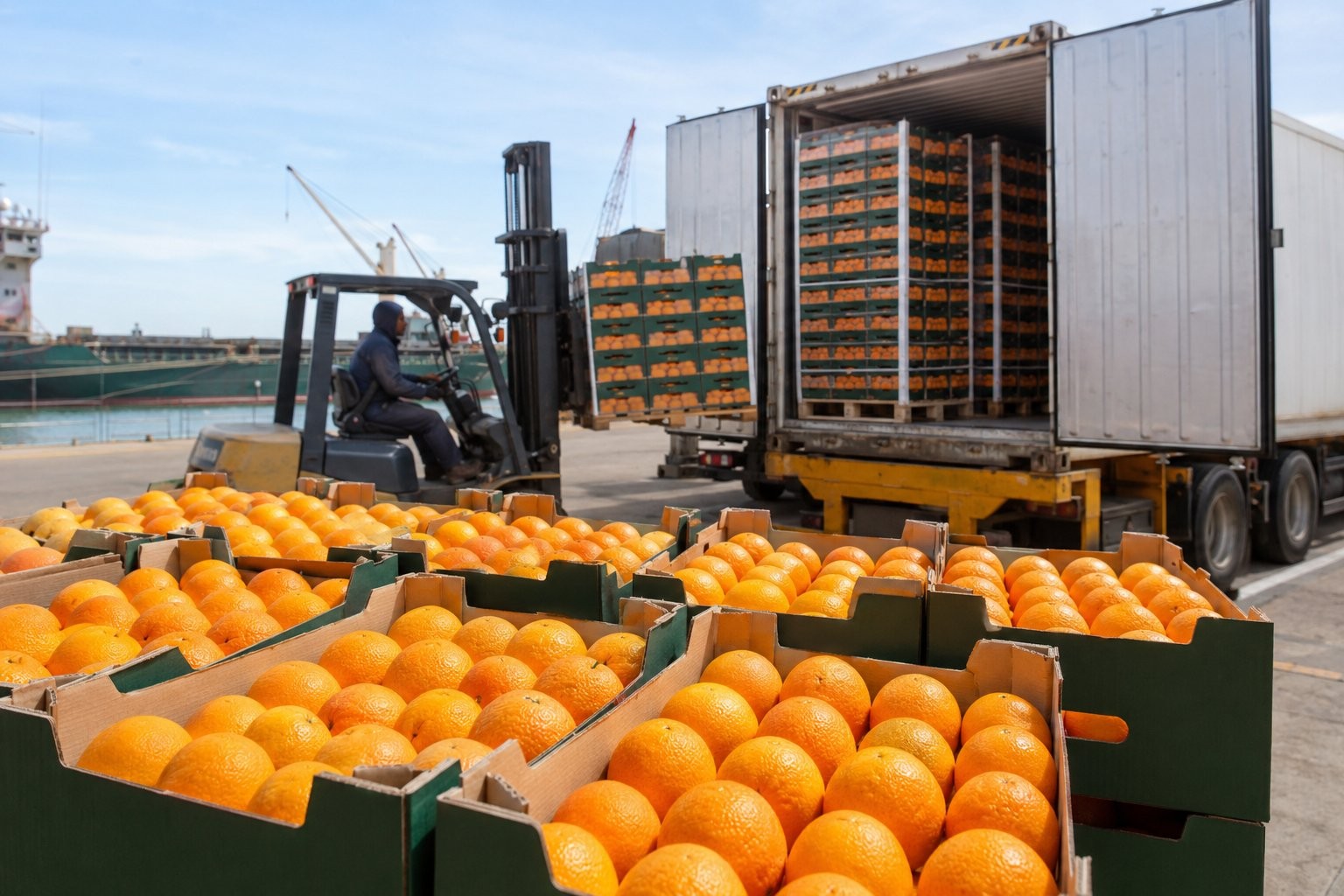
Egyptian citrus does not begin arriving in export markets until December, but the commercial work that decides who gets fruit, at what price and on what schedule happens now. Between late July and October, exporters and growers agree the season’s allocation. Importers who wait until the first Navel is picked are buying from what is left rather than from what was planned.
The rhythm is fairly consistent year to year. Through August and September, exporters map orchard blocks, estimate volumes and open discussions with regular buyers. In October, indicative price ranges start circulating, though nothing is firm until the crop sizes up. By early November the first Navel picks are assessed for colour and Brix, and firm offers follow. Loading on Navel typically begins in the second half of December and runs to February. Valencia takes over from February and continues through May, with late Valencia stretching into June in some years.
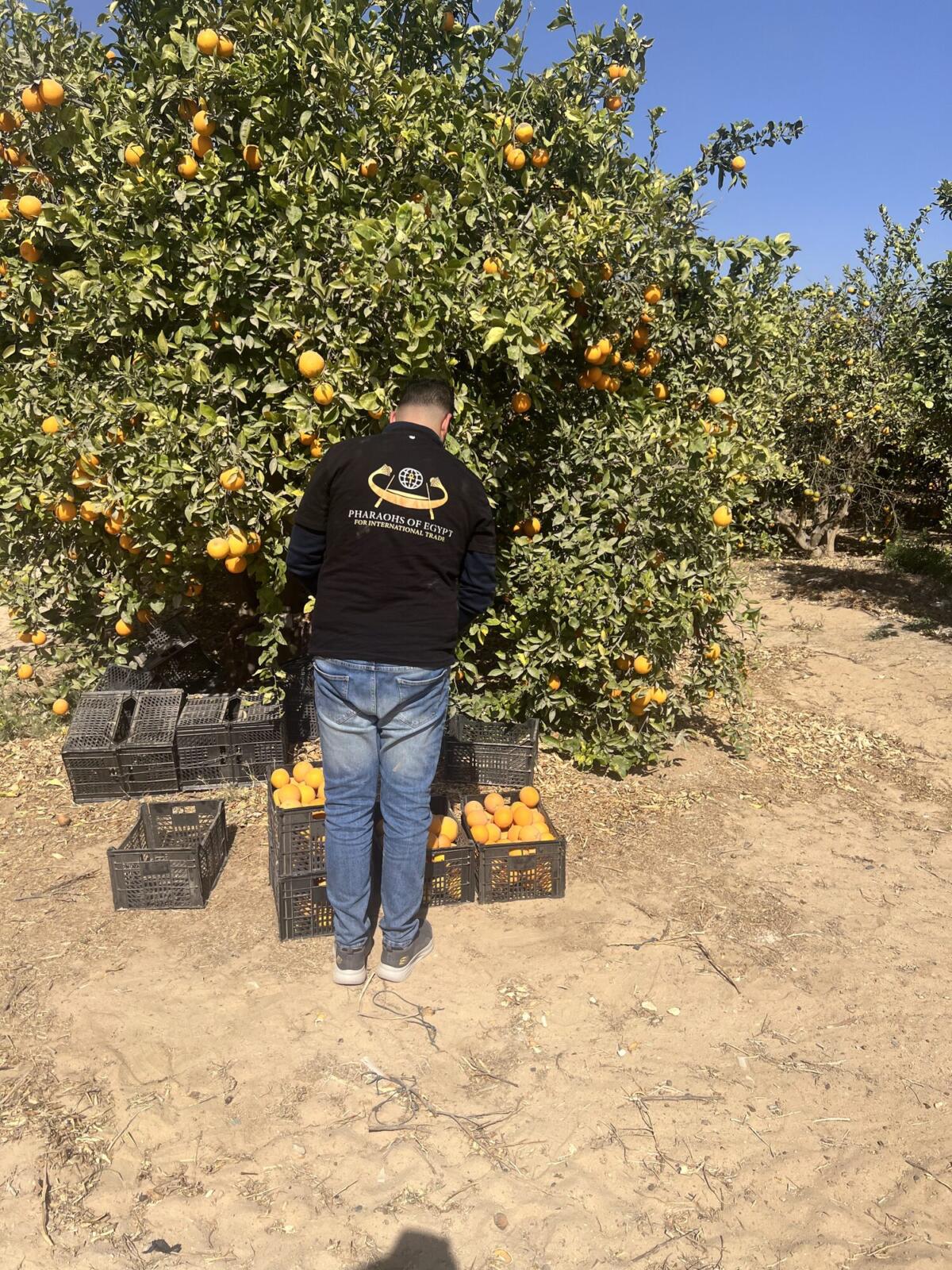
The practical consequence is that an importer wanting 40 containers of Navel across January and February should be in conversation by September, not December.
A pre-season arrangement rarely fixes price outright, and buyers should be cautious of any exporter who offers a firm December price in August. What it does fix is more useful in practice: the volume reserved for you, the size mix you will receive, the packing specification, the loading schedule by month, and the mechanism by which price will be set once the market opens.
Price mechanisms vary. Some buyers agree a fixed price closer to the season with a deposit securing allocation. Others work on a formula tied to a published market reference, or on a firm price per shipment agreed two to three weeks before each loading. What matters is that the mechanism is written down before the first container moves.
Egyptian oranges are sold by count per 15 kg carton. Navel commonly runs 48, 56, 64, 72 and 88 count, and Valencia the same range with more weight in the smaller counts. Every orchard produces a distribution of sizes, not a single size, so an importer demanding 100 percent of a scarce count is asking for something no grower can deliver honestly.
The workable approach is to agree a size mix by percentage, for example a majority of your preferred counts with a stated tolerance for adjacent sizes. Russian and Eastern European buyers generally favour larger counts, while Gulf and South Asian buyers take more of the medium and small range. Setting this out in the contract avoids the arrival argument that otherwise costs both sides money. Our overview of Egyptian orange exports to Saudi Arabia gives a sense of how a single market’s size preference shapes an entire programme.
Standard export packing is the 15 kg telescopic carton, with 4 kg and 10 kg formats used for retail and specific markets. Fruit is washed, waxed, graded and cold treated where the destination requires it. A 40ft high cube reefer carries 1,540 to 1,600 cartons of 15 kg depending on pallet configuration, and the reefer is normally set between 3 and 5 degrees Celsius for oranges, with ventilation adjusted for transit length.
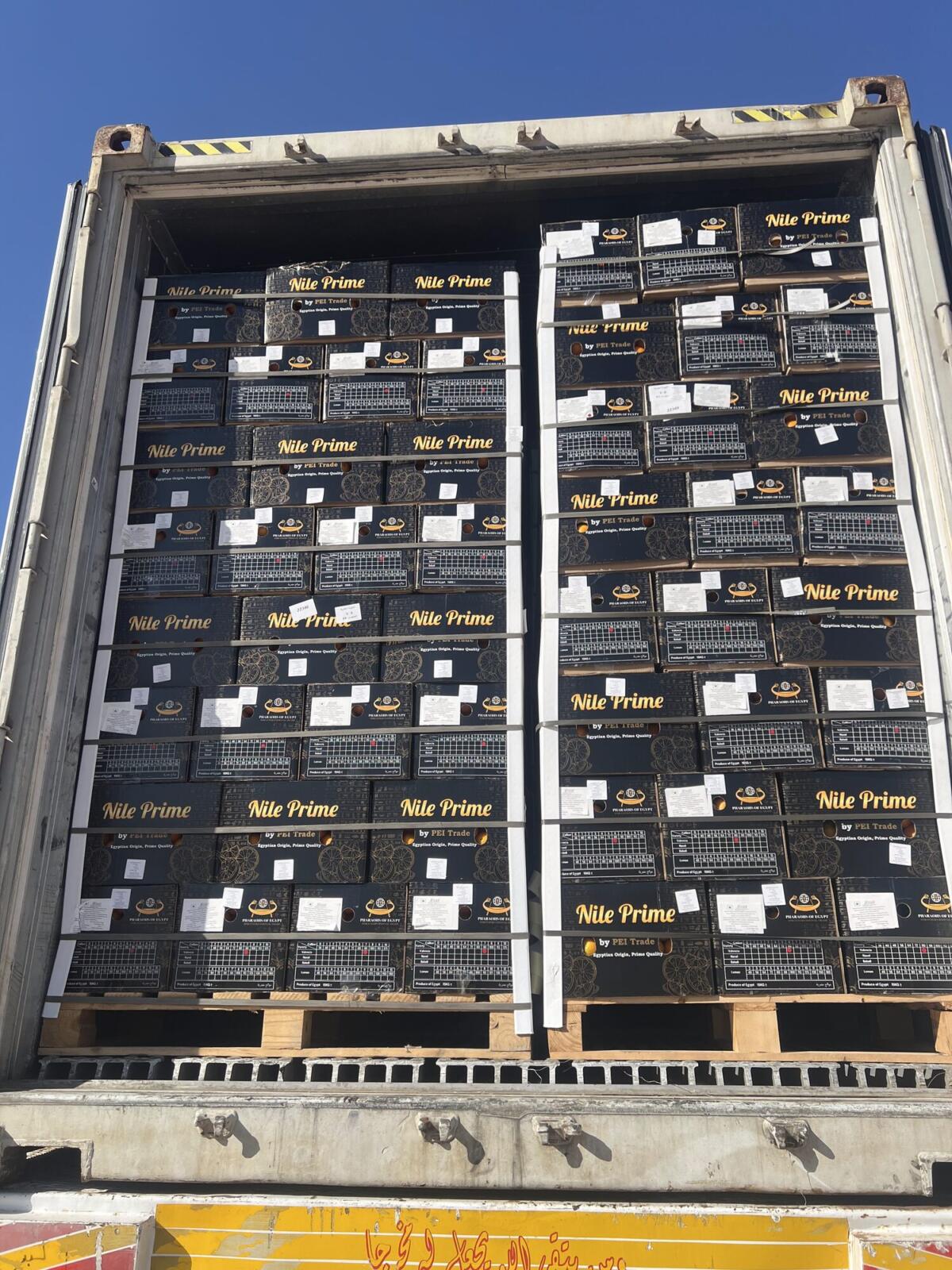
Cold treatment requirements are destination specific and need to be settled at contracting stage, not at booking. The paperwork that follows is covered in our guide to export documentation for Egyptian produce.
GLOBALG.A.P at farm level and food safety certification at packhouse level should be confirmed before contracting, along with residue testing protocols for your market. Third-party inspection by SGS or Intertek is available on request and is worth building into the first shipments of a new relationship.
If you are planning a Navel or Valencia programme for the 2026/2027 season, send your target volume, destination port and preferred size mix to our export desk on WhatsApp at +20 10 9911 1918. We will confirm what allocation we can hold for your loading months and put the terms in writing.
