Address
Work Hours
Monday to Friday: 7AM - 7PM
Weekend: 10AM - 5PM

Address
Work Hours
Monday to Friday: 7AM - 7PM
Weekend: 10AM - 5PM


Variety types, size grades, carton formats, pallet configuration and reefer set points for Egyptian zucchini, squash and eggplant, plus the autumn and spring shipping windows.
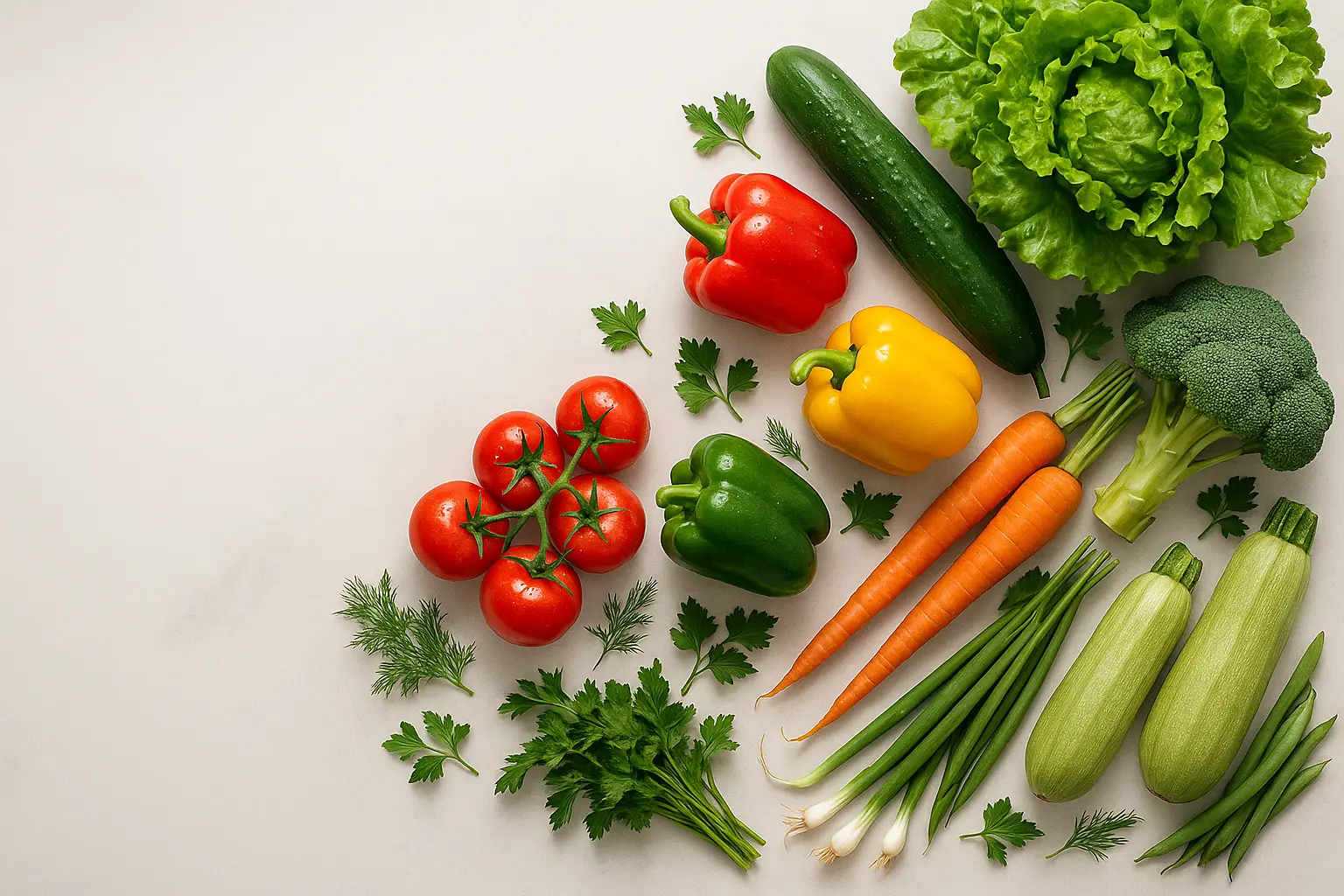
Zucchini and eggplant sit in an awkward part of the Egyptian vegetable programme. Both are field crops with two distinct windows, both are chilling sensitive, and both lose condition faster than the storage crops that importers are used to buying from Egypt. Buyers who specify them the way they specify onions or potatoes tend to be disappointed at arrival. The specification below is what our export desk works to for the 2026/2027 season.
Two zucchini types move out of Egypt. The light green Egyptian type, usually sold as kousa, is shorter, thicker at the blossom end and almost entirely a Gulf and regional item. The dark green European type, sold as courgette, is straight, uniform in diameter and is what EU and UK buyers expect. The two are not interchangeable in a programme and should never be quoted against one another.
On eggplant, the long purple type and the long black type are the volume lines for Europe. The round Baladi type and the oval classic type serve Gulf and regional buyers. Grafted plantings under protected houses carry the winter volume, which is why continuity through December and January is realistic while field-only supply is not.
Courgette is graded on length rather than weight. The common export bands are 14 to 21 cm, and a smaller baby grade at 7 to 14 cm for specialist buyers. Diameter uniformity within the carton matters more to a retail buyer than the band itself, so specify a tolerance rather than a single figure. Standard pack is a 5 kg one-layer carton, loose or in a liner, with 6 kg cartons available where the receiver repacks.
Eggplant is graded on length and weight together. Long types run 18 to 25 cm and 200 to 350 g, packed 5 kg or 6 kg to the carton in a single layer with a foam sheet under the fruit. Round types are sold by count per carton. Calyx condition is the item most often argued over at arrival, so agree in the contract whether a green, turgid calyx is a rejection criterion or a tolerance.
Both crops palletise at 80 to 100 cartons on a 120 x 100 cm ISPM 15 pallet, depending on carton height and whether the receiver accepts a 220 cm stack. A 40 ft high cube reefer takes 20 pallets. For full palletisation rules across the range see our guidance on pallet standards for Egyptian produce exports.
Neither crop tolerates the set points used for citrus. Courgette carries at 7 to 10 degrees Celsius and eggplant at 10 to 12, both at 90 to 95 percent relative humidity. Below roughly 5 degrees both develop pitting and surface browning that appears only after the container is opened, which is why a low set point requested in good faith by a buyer is one of the more common causes of a claim. Our reference on reefer set points by crop covers the full list.
Field volume runs from late September into December, then again from February into May, with protected-house supply bridging the coldest weeks. Realistic post-harvest life is 10 to 14 days on courgette and 12 to 16 on eggplant, measured from packing. That arithmetic puts the Gulf, the Levant and short-sea European destinations inside reach on a reefer, and puts anything beyond roughly 18 days sailing outside it unless the receiver accepts arrival with limited selling days left.
Class I (a grade tier from the applicable marketing standard, not a marketing term — see our Extra, Class I and Class II tolerances reference) is the default offer. Third-party inspection at loading by SGS or Intertek is available on request and is worth arranging on a first shipment.
Send us the type, the size band, the carton format and the destination port and we will come back with availability and an FOB or CFR price. Message the export desk on WhatsApp at +20 10 9911 1918.
