Address
Work Hours
Monday to Friday: 7AM - 7PM
Weekend: 10AM - 5PM

Address
Work Hours
Monday to Friday: 7AM - 7PM
Weekend: 10AM - 5PM


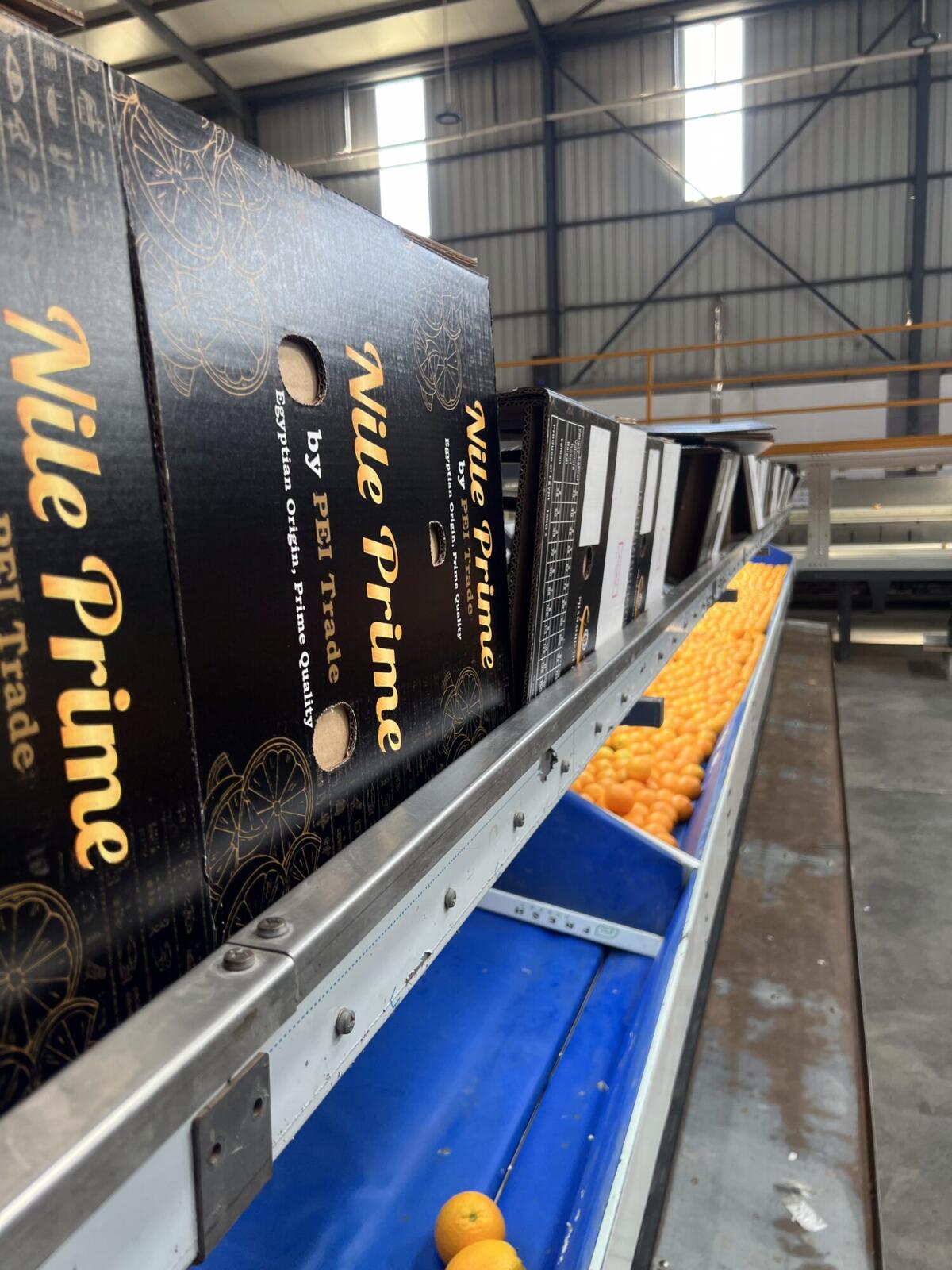
Extra allows 5 percent out of class, Class I allows 10 percent, Class II allows 10 percent with a 2 percent decay sub-limit. What each produce quality class actually permits, and which class Egyptian crops ship in.
Produce quality classes are the graded tiers a contract is written against: Extra, Class I and Class II. The class is not a description of how the fruit looks in a photograph. It is a tolerance, meaning the share of a consignment that is allowed to fall short of the stated specification before the lot is out of contract. Extra allows 5 percent by number or weight outside the class. Class I allows 10 percent. Class II allows 10 percent, with a 2 percent sub-limit on decay. Those three figures decide most arrival disputes.
The figures below follow the UNECE standards that the EU marketing standards are built on. They are counted per lot presented, by number or by weight, and they are cumulative rather than per defect.
| Class | Quality tolerance | Sub-limit inside that tolerance | Size tolerance |
|---|---|---|---|
| Extra | 5% meeting Class I but not Extra | 0.5% may meet only Class II | 10% one size up or down |
| Class I | 10% meeting Class II but not Class I | 1% below minimum requirements or decayed | 10% one size up or down |
| Class II | 10% meeting neither the class nor the minimum requirements | 2% may be affected by decay | 10% one size up or down |
Extra is uniform shape, uniform colour and uniform size within the carton, with no defect beyond very slight superficial marking that does not affect appearance, keeping quality or presentation. It has to be packed with care. In practice Extra is a retail-programme class for citrus, table grapes and pomegranate, and it is not something an exporter can promise on a variable crop such as mango without a size-and-blush screen at the line. Buyers who ask for Extra on a fruit that has no Extra tier in its own standard are usually asking for Class I with a tighter cosmetic screen, which is a different commercial conversation.
Class I allows slight defects in shape, colour and skin, provided they do not affect the general appearance of the produce, its keeping quality or its presentation in the package. Skin defects are usually capped by area, for example 1 square centimetre on a citrus fruit for elongated marks. Most Egyptian export volume to the EU, the UK and the GCC ships as Class I, and most standing programmes are written as Class I with a named size range and a stated minimum Brix. Read those two specifications together, because a class on its own does not fix eating quality. Our Brix and maturity standards by crop covers the second half of that pairing.
Class II fruit meets the minimum requirements and is sound, clean and free of pests, but carries defects of shape, colour and skin that Class I would reject. It moves into wholesale markets, processing and price-led destinations. Class II is not damaged fruit and it is not a way to clear a bad pick. A Class II lot still has to arrive sound, and the 2 percent decay sub-limit still applies at the point of dispatch.
Tolerance is assessed on a drawn sample, not on the container. An inspector opens cartons across pallets, counts fruit against the class definition and reports the percentage found. That is why the sample plan in the contract matters as much as the class itself, and why a claim that quotes a single carton rarely succeeds. The method we use before loading is set out in pre-shipment inspection: sample sizes and checkpoints. Name the class, the size range, the sample size and the inspection point in the contract, and the argument at arrival becomes arithmetic rather than opinion.
PEI Trade is the exporter here, not a neutral standards body. The tolerances above are drawn from the published UNECE and EU marketing standards; the commercial reading of them is ours.
To agree a class and a size range on a specific crop for the 2026/2027 season, send the destination, the volume and the pack format to PEI Trade on WhatsApp at +20 10 9911 1918 and we will come back with what is achievable from the current pick.
