Address
Work Hours
Monday to Friday: 7AM - 7PM
Weekend: 10AM - 5PM

Address
Work Hours
Monday to Friday: 7AM - 7PM
Weekend: 10AM - 5PM


Ramadan 1448 is expected to open around 8 February 2027. Here is the buying and shipping timeline that works backwards from that date for Egyptian dates, citrus, strawberry and IQF vegetables.
The Ramadan demand cycle is the single largest seasonal swing in Egyptian produce exports to the Gulf, Levant and South Asia, and it runs on a calendar that moves eleven days earlier each year. Ramadan 1448 is expected to begin on or about 8 February 2027, with Eid al-Fitr around 9 March 2027, both confirmed only by moon sighting a day or two ahead. Retail and wholesale stocking begins six to eight weeks before that, which puts the practical arrival deadline for most crops in the first half of January 2027 and the ordering deadline in November 2026.
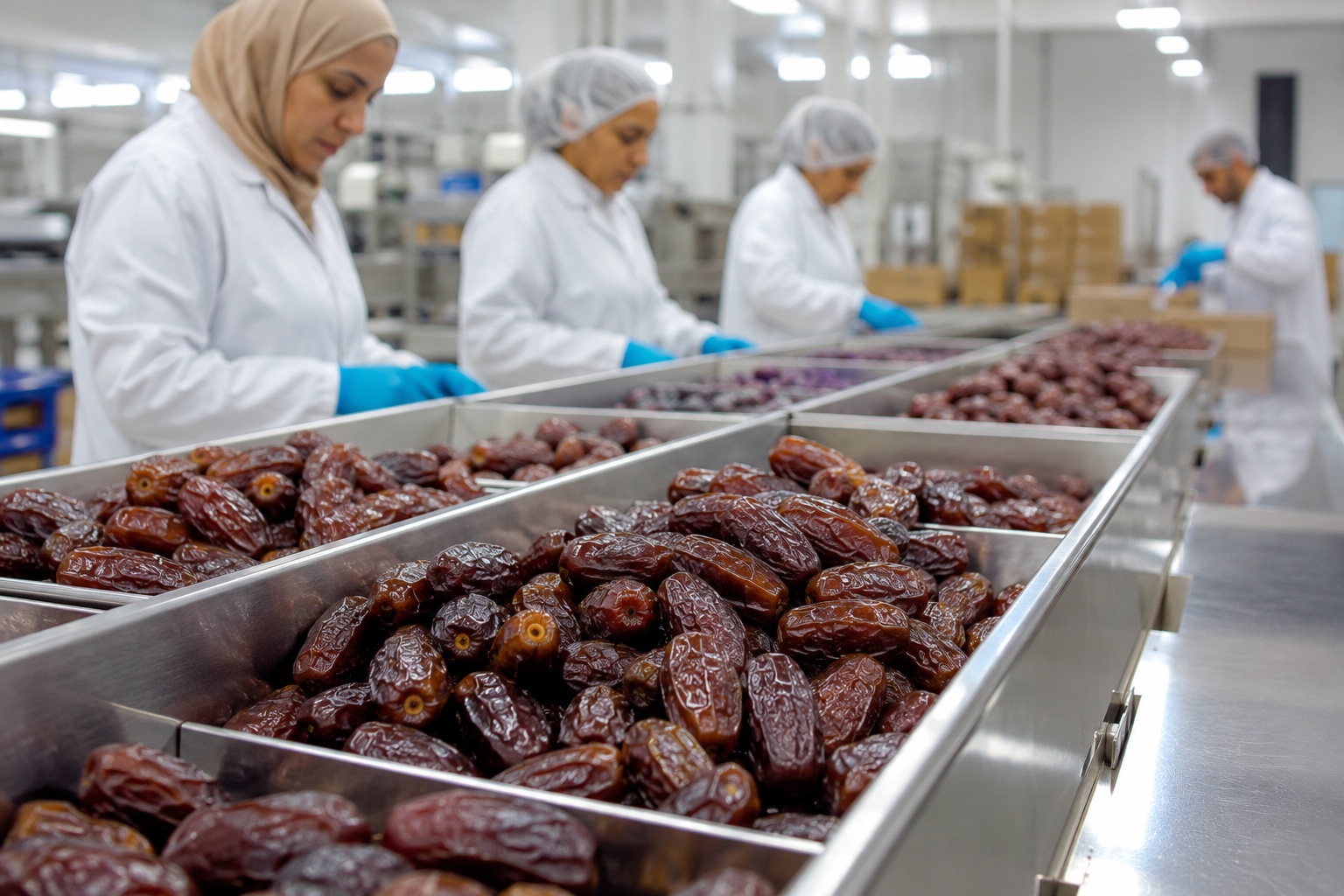
Ramadan follows the lunar Hijri calendar, so it drifts backwards through the Gregorian year. In 2026 it fell in late February and March. In 2027 it opens in early February, and in 2028 in late January. That drift matters commercially because it changes which Egyptian crops are actually in season when demand peaks. A February Ramadan sits squarely inside the Navel orange and fresh strawberry windows. A June Ramadan, which arrives in the early 2030s, will not. Published sighting-based dates for each market are tracked on the Saudi Arabia Ramadan calendar.
| Crop | Role in the month | Order by | Latest useful arrival |
|---|---|---|---|
| Dates, Siwi and semi-dry | Core iftar item, highest volume | Late October 2026 | Early January 2027 |
| Dates, Medjool | Premium gifting and retail packs | Late October 2026 | Mid January 2027 |
| Navel orange | Fresh fruit and juicing at iftar | Late November 2026 | Late February 2027 |
| Murcott mandarin | Retail fruit bowl through the month | December 2026 | Late February 2027 |
| Fresh strawberry | Dessert and juice, short shelf life | December 2026, weekly thereafter | Rolling weekly through March |
| IQF molokhia and okra | Foodservice and household cooking | November 2026 | Mid January 2027 |
| Onion and potato | Kitchen staples, volume lifts 20 to 30% | December 2026 | Late January 2027 |
Reefer allocation out of Alexandria and Damietta for January sailings is normally spoken for by late November. Transit runs roughly 7 to 10 days to Jeddah, 12 to 16 days to Jebel Ali and 18 to 22 days to Karachi and Chattogram, and every one of those numbers stretches when the pre-Ramadan rush loads the same vessels. Buyers who confirm volume in October and book space in November pay a normal rate. Buyers who confirm in January pay a premium and take whatever sailing is left. The mechanics of holding space are set out in our note on booking reefer space for the 2026/2027 citrus season.
Demand does not taper after Eid al-Fitr, it drops. Wholesale prices in Gulf markets typically fall within the first week and stay soft for two to three weeks while the trade clears leftover stock. Cargo that arrives in the last five days of Ramadan is competing against that clearance, not against the peak. For perishable lines this is the difference between a full-price sale and a distress sale, which is why the arrival deadlines in the table above are set well inside the month rather than at its end. Crop availability behind each of these windows is listed in the Egyptian produce export calendar 2026/2027.
PEI Trade is the exporter, not a neutral market analyst. The dates above are planning guidance drawn from our own shipping records and should be checked against your market’s clearance times and holiday schedule.
Send us the crops, volumes and destination port you expect to need for February 2027 and we will come back with a loading calendar and indicative pricing. WhatsApp +20 10 9911 1918.
