Address
Work Hours
Monday to Friday: 7AM - 7PM
Weekend: 10AM - 5PM

Address
Work Hours
Monday to Friday: 7AM - 7PM
Weekend: 10AM - 5PM


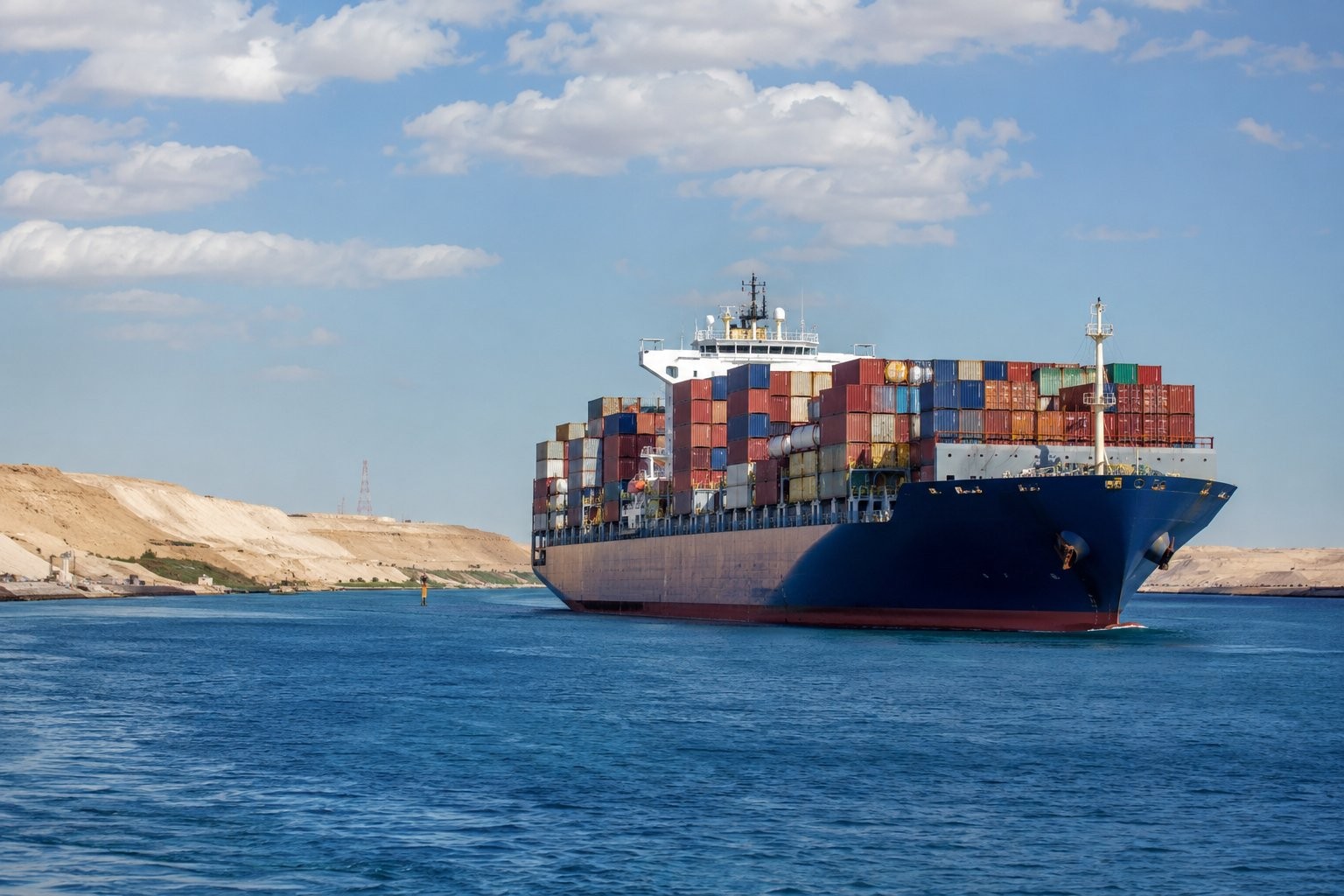
Red Sea routing stays split in 2026 — rates ease on Suez-return hopes while Cape detours persist. What it means for Q3 freight.
The Red Sea outlook is split: long-term rates are easing on hopes of a return to Suez, yet mid-2026 assessments say Cape of Good Hope routing remains the default for many carriers.
The picture for Red Sea transits remains divided. Rate analysts point to carriers preparing for a larger-scale return to Suez routing, with long-term Far East–Mediterranean rates already easing from late-2025 highs — a trend that, combined with new vessel deliveries, suggests softer freight ahead.
Other mid-2026 assessments caution that attacks have continued and that routing around the Cape of Good Hope remains the default for many carriers, keeping Asia–Europe rates elevated and transit times long. The direction of rates through the rest of the year will hinge on how the situation develops.
What it means for buyers: For Egyptian origin, the Suez corridor is on the doorstep. Whichever way it resolves, building clearly defined Red Sea surcharge triggers into freight contracts protects landed-cost margins on EU and Asia programmes.
Source: Xeneta; Suaid Global, 2026.
How to cite: PEI Trade, "Red Sea Routing Stays Unsettled — Why It Matters for Q3 Freight Planning," PEI Trade News, 16 June 2026, www.peitrade.com.
