Address
Work Hours
Monday to Friday: 7AM - 7PM
Weekend: 10AM - 5PM

Address
Work Hours
Monday to Friday: 7AM - 7PM
Weekend: 10AM - 5PM



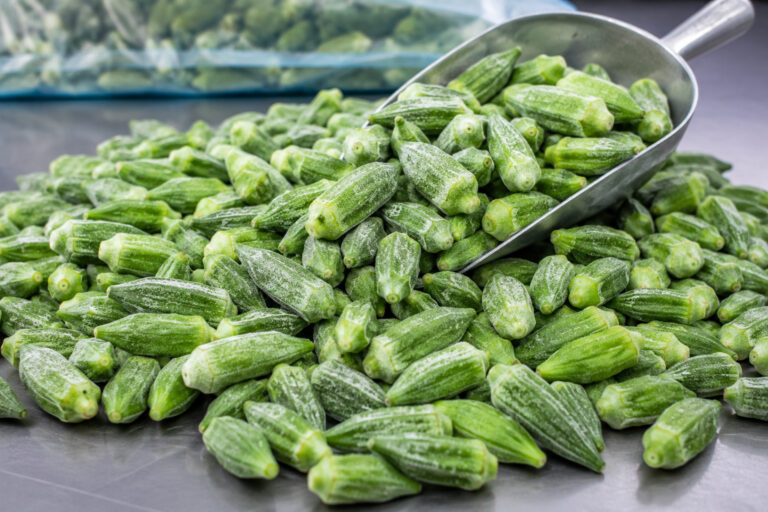
Egyptian Frozen Okra Exports to Belgium: IQF Market Guide Belgium is a strategic EU market and re-export hub for Egypt’s IQF (individually quick frozen) okra. As one of Europe’s leading frozen-food processing and distribution centres, Belgium takes Egyptian frozen okra…
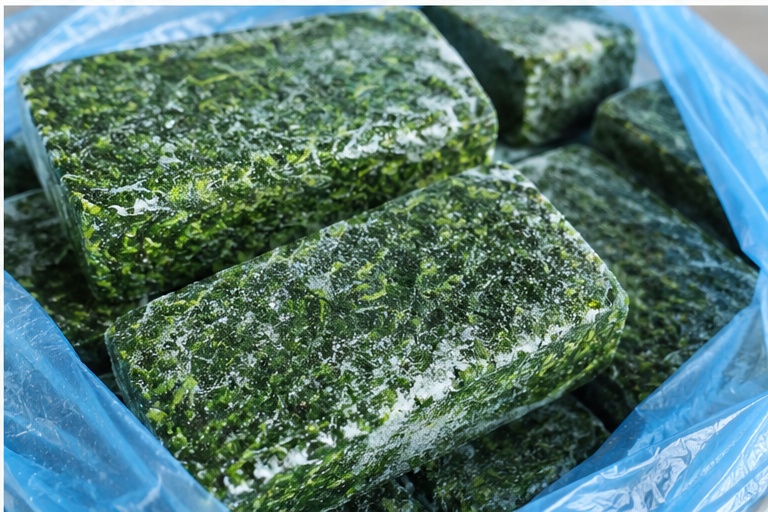
Egyptian Frozen Molokhia Exports to Saudi Arabia: IQF Guide Saudi Arabia is a core market for Egypt’s frozen molokhia (jute mallow). Molokhia is a beloved dish across the Levant and Gulf, and Egypt is the world’s dominant origin for the…
Egyptian Frozen Molokhia Exports to the USA: IQF Market Guide The United States is a growing market for Egypt’s frozen molokhia (jute mallow), driven by its large Egyptian, Levantine and wider Middle-Eastern and African communities. Molokhia is a signature comfort…
Egyptian Frozen Molokhia Exports to Jordan: IQF Market Guide Jordan is a close Levant market for Egypt’s frozen molokhia (jute mallow). Molokhia is a staple of the Jordanian table, and frozen molokhia — which Egypt dominates globally — supplies retail…
Egyptian Frozen Molokhia Exports to the UAE: IQF & Re-Export Guide The United Arab Emirates is both a consumption market and the Gulf’s leading re-export hub for Egypt’s frozen molokhia (jute mallow). Molokhia is a staple across the UAE’s Egyptian,…
Egyptian Frozen Molokhia Exports to Kuwait: IQF Market Guide Kuwait is a reliable Gulf market for Egypt’s frozen molokhia (jute mallow). Molokhia is a staple across Kuwait’s Egyptian, Levantine and wider Arab communities, and frozen molokhia — which Egypt dominates…
Egyptian Frozen Molokhia Exports to Germany: IQF Market Guide Germany is a growing EU market for Egypt’s frozen molokhia (jute mallow), driven by its large Egyptian, Arab and wider MENA communities. Molokhia is a comfort-food staple, and frozen molokhia —…
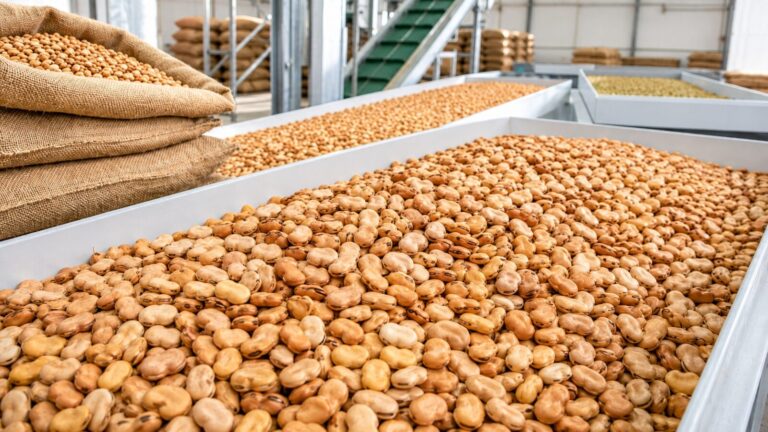
Morocco is a natural market for Egyptian faba beans (dried broad beans, HS 0713.50). Faba is central to Moroccan cuisine — above all bissara, the national broad-bean soup — and domestic supply does not always meet demand. Egypt is recognised…
Saudi Arabia is one of the world’s largest importers of faba beans, driven by heavy consumption of ful medames — the slow-cooked broad-bean dish that is a breakfast staple across the Kingdom. Egyptian faba beans (dried broad beans, HS 0713.50)…
Libya is a close, high-consumption market for Egyptian faba beans (dried broad beans, HS 0713.50). Faba is a daily staple in Libyan cooking — from ful to bazin accompaniments — and the country relies on imports. Egypt’s shared border, sea…